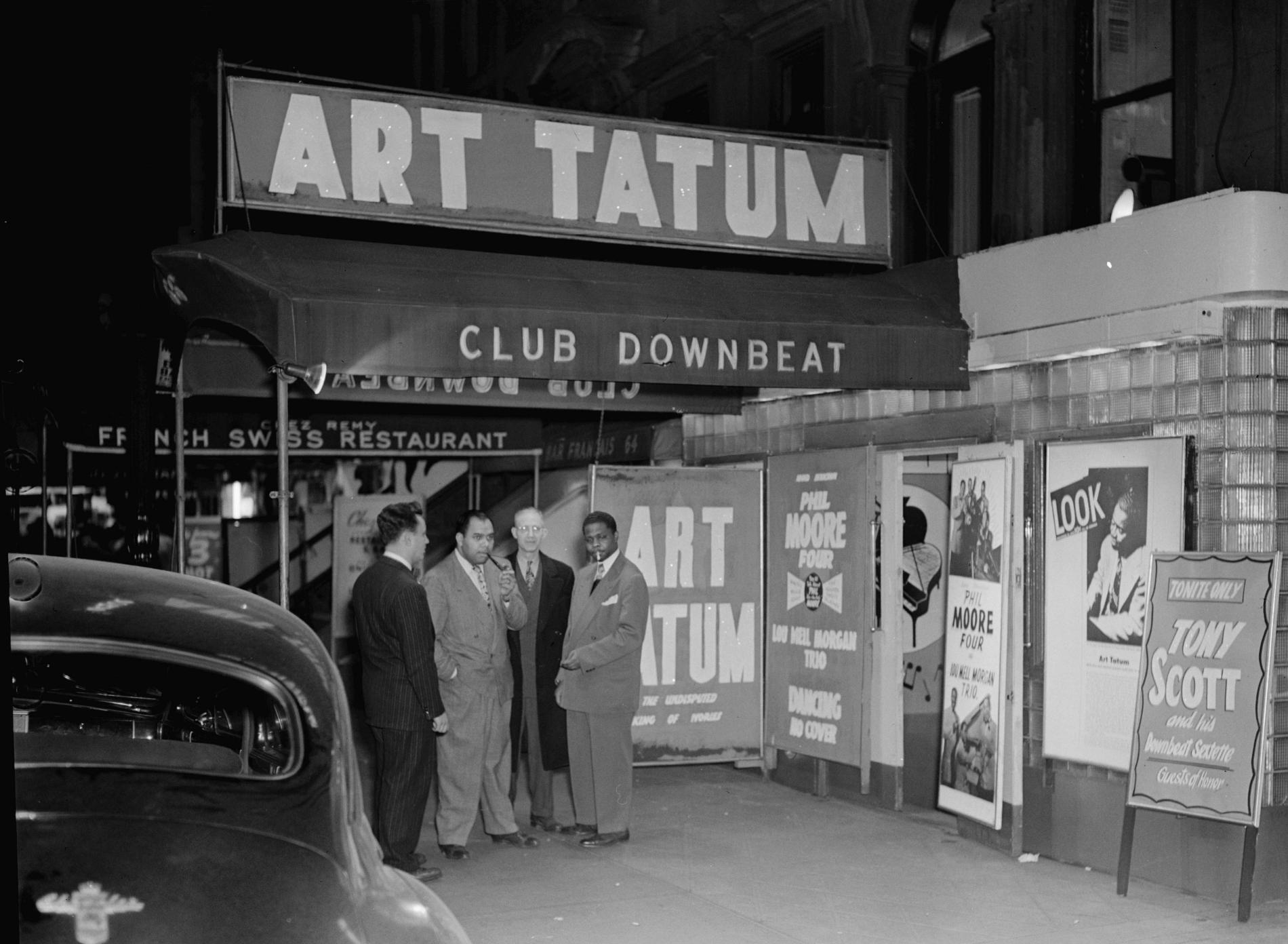
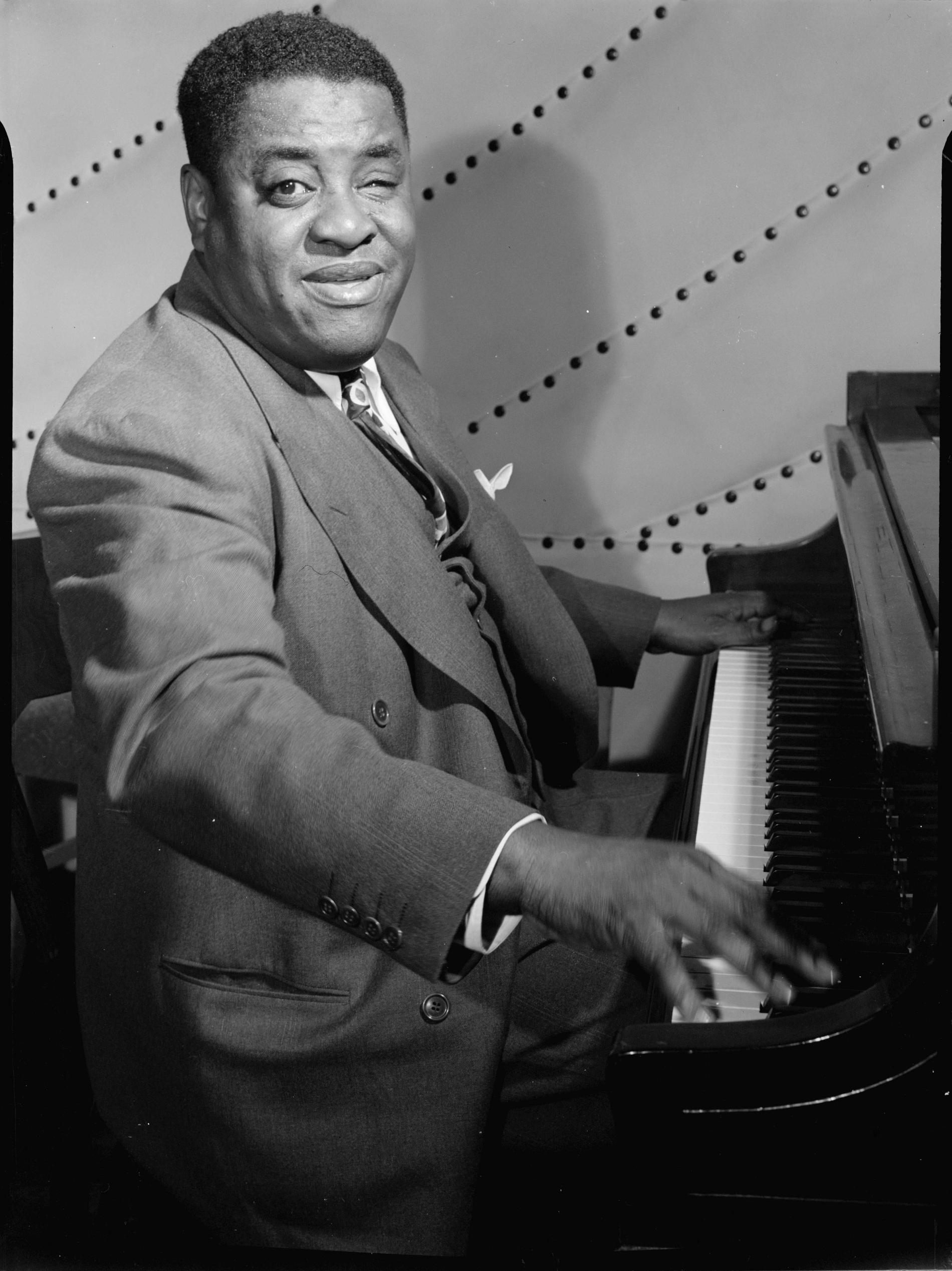
Art Tatum belongs to the history of jazz, but his story begins in Toledo. Before New York musicians gathered to hear the young pianist they had been warned about, Tatum had already developed inside a local world of family music, schools, radio, rent parties, clubs and working professionals.
Understanding those Toledo years does not make his talent less mysterious. It makes the environment around that talent visible.
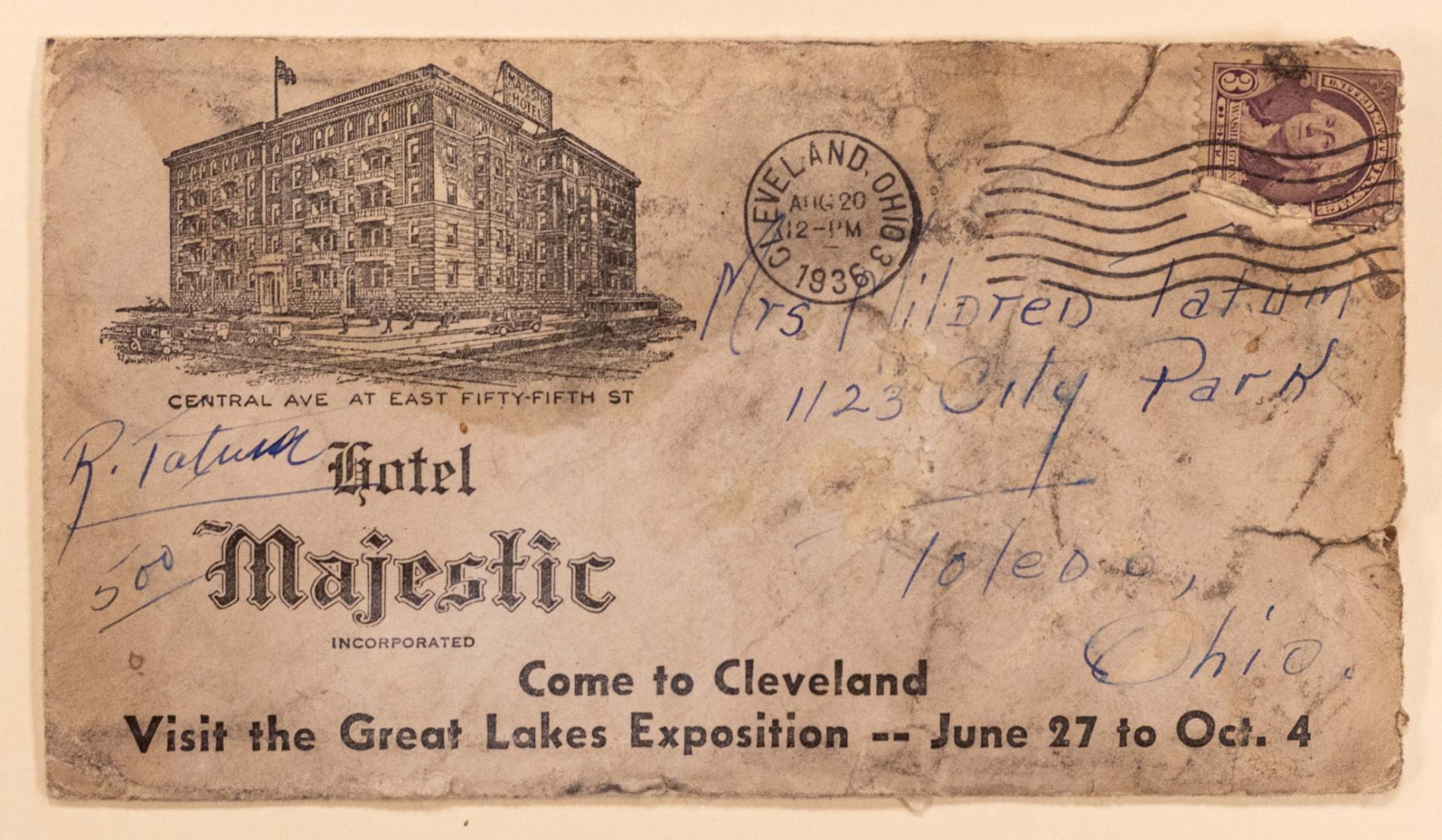

Born in Toledo in 1909 into a musical family. Volume 1 traces his childhood Arion upright through family mortgage records and follows his schooling, including Jefferson School's program for blind students and the medical history surrounding his vision.
By his teens and early twenties Tatum was playing rent parties, clubs and professional engagements. WSPD radio carried his playing beyond a single room and built his local reputation.
Touring musicians moved through Toledo, local professionals worked nightly, and after-hours listening let players hear one another up close. Tatum developed inside that competitive environment.
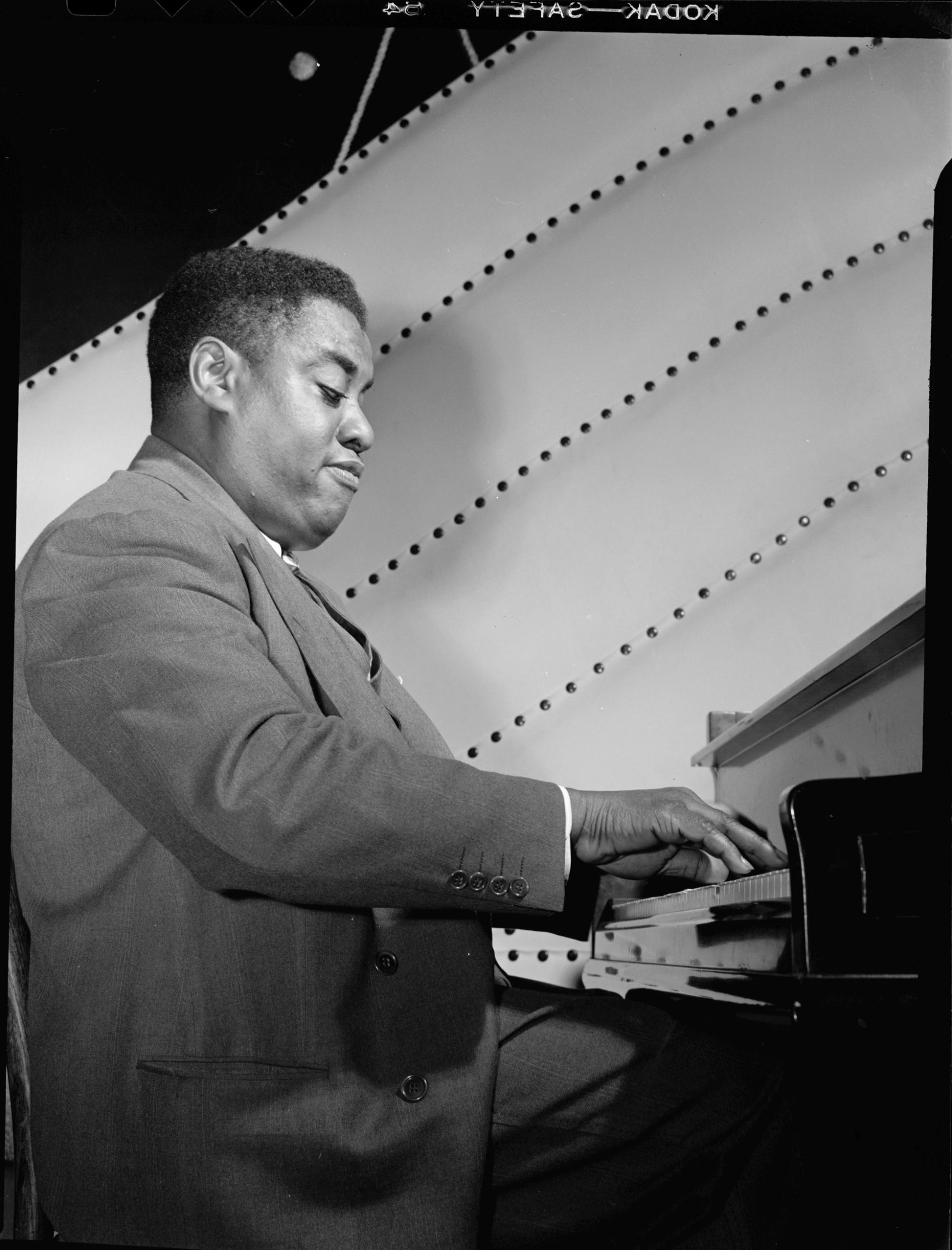
Born in Toledo. Arthur Tatum Jr. arrives into a family where music is already part of daily life.
The family piano. The book traces Tatum's early Arion upright through family mortgage records — one example of how archival evidence adds detail to a familiar biography.
Music and vision. Tatum attends Toledo schools including Jefferson School's program for blind students, living with severe visual impairment and undergoing eye surgeries.
Rent parties and clubs. He begins playing local social settings, building a reputation among Toledo musicians long before a national audience knows his name.
WSPD and working rooms. Radio and club work make Tatum increasingly visible. Big Noble's, the Waiters and Bellman's Club, Chateau La France and La Tabernilla all belong to this stretch.
Adelaide Hall and New York. Pharmacist Ella P. Stewart connects Tatum with the singer. He leaves Toledo with her, records with her, and enters the New York piano world.
The cutting contest. Tatum faces the city's top stride players — Fats Waller, James P. Johnson and Willie "The Lion" Smith — and confirms what Toledo musicians already knew.
A short life, enormous influence. Tatum dies at 47, having permanently changed what jazz musicians believed was possible at the piano.
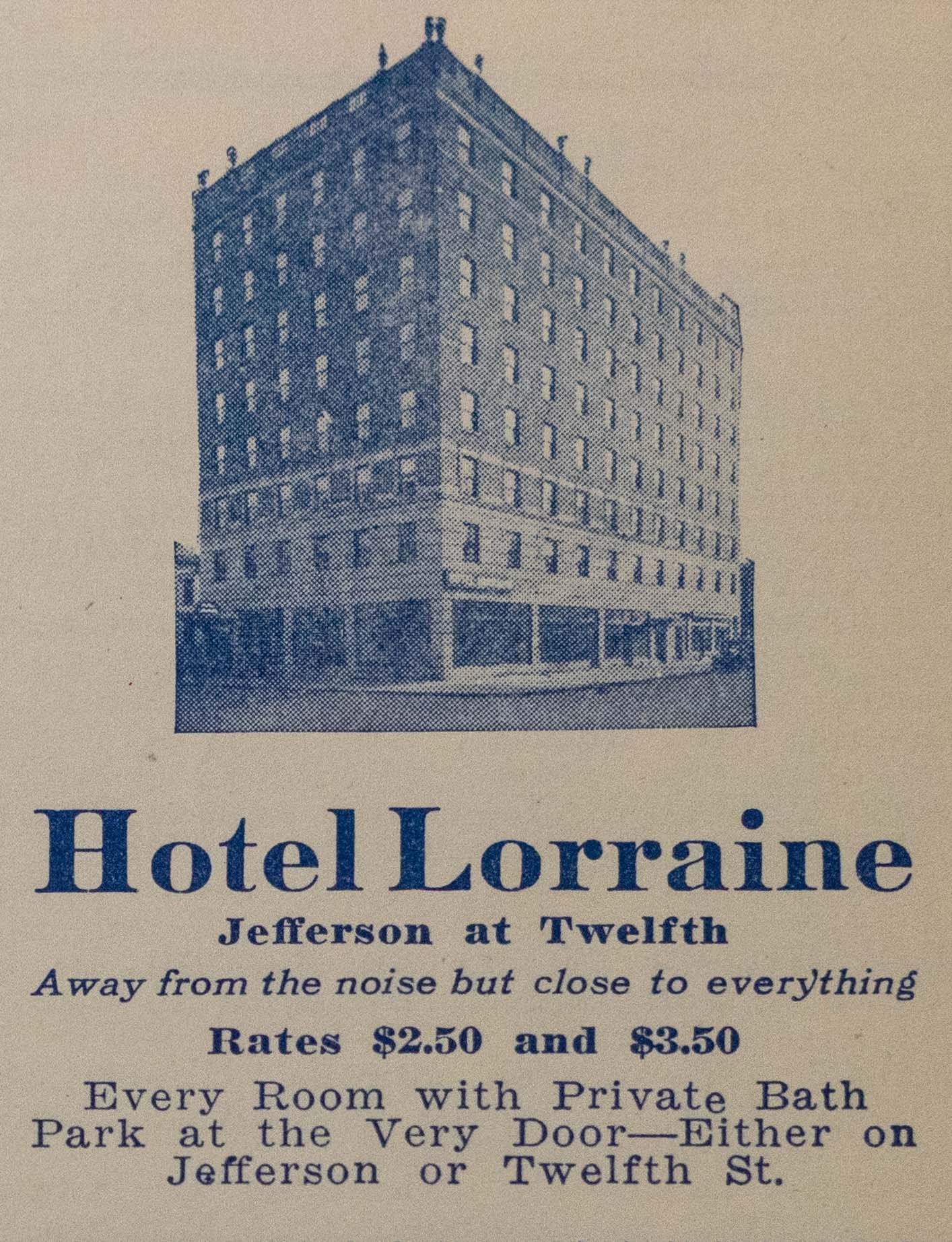
A notorious, gangster-connected room that changed names throughout Prohibition. James P. Johnson performed here during his Toledo period; Eddie Barefield remembered playing alongside a teenage Tatum in the same room.
Jazz & Prohibition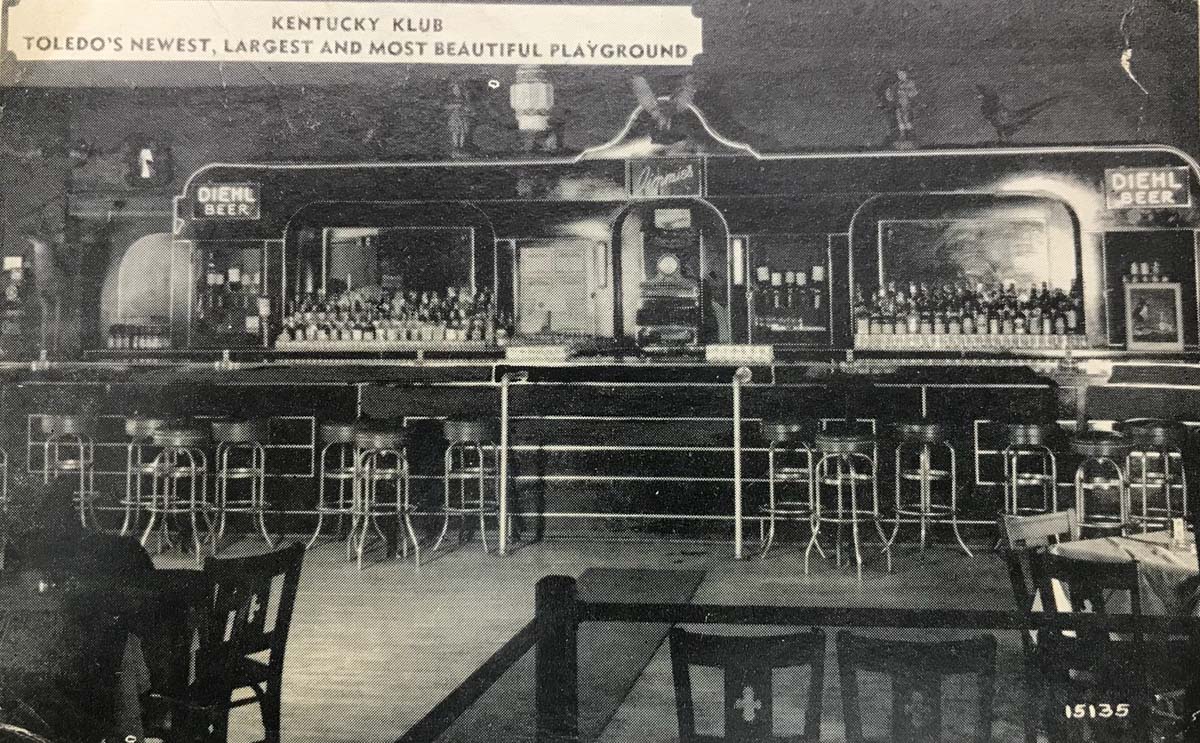
A crucial African American social and entertainment institution, and one of Tatum's home bases. Jon Hendricks performed here with him as a boy.
Explore the venues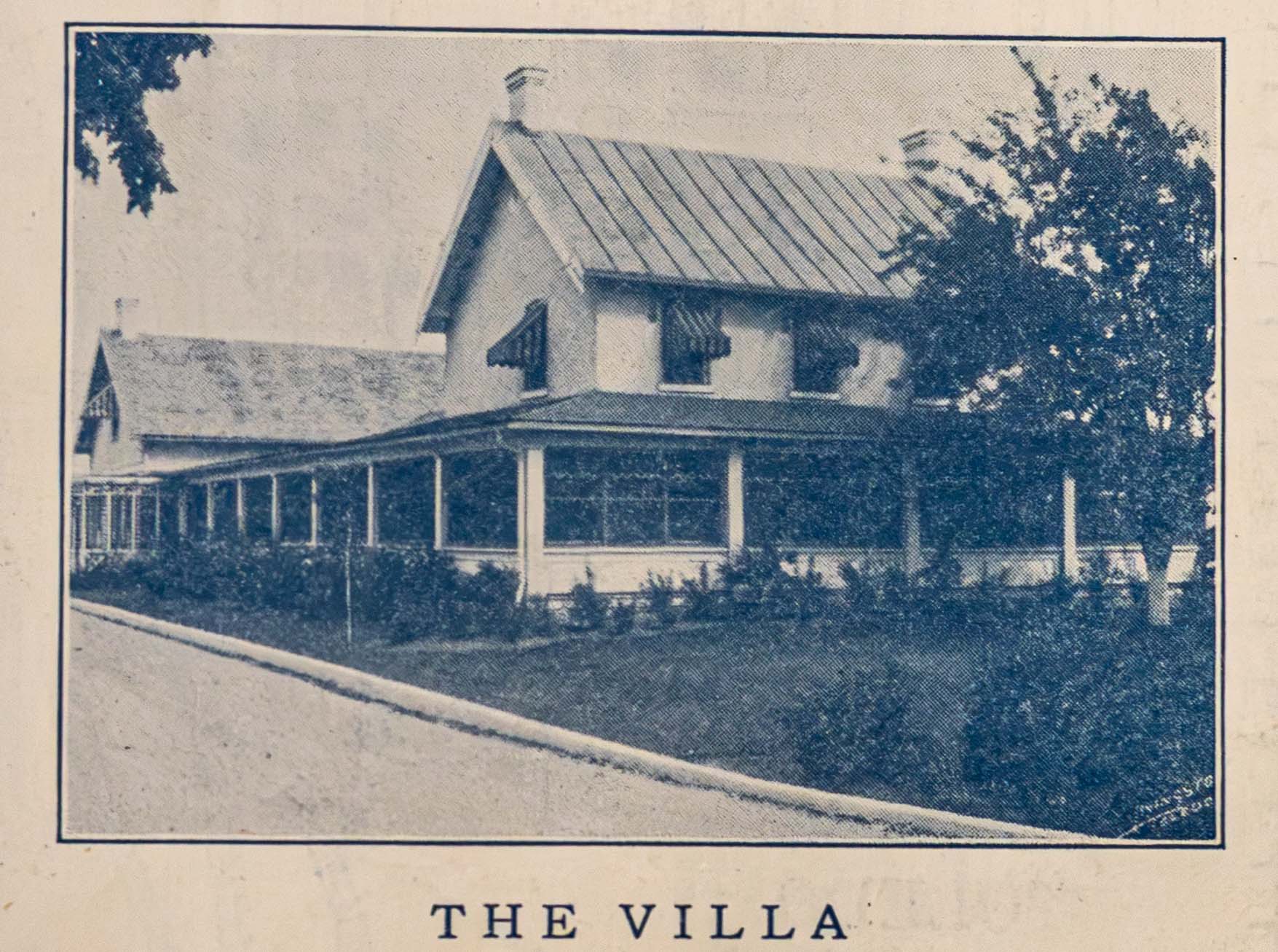
An elegant brothel, gambling and dinner club where the Milt Senior band held a long residency with Tatum on piano — sustained professional work for a very young musician.
Explore the venuesYes. He was born in Toledo in 1909 and spent his formative years in the city before moving to New York in 1932.
Volume 1 documents several rooms associated with his early work — Big Noble's, the Waiters and Bellman's Club, Chateau La France, La Tabernilla and the Secor Hotel — along with rent parties and radio work.
Yes. His work on WSPD exposed local listeners to his playing well before his national recording career.
Toledo pharmacist and civic leader Ella P. Stewart helped connect Tatum with singer Adelaide Hall. He accompanied Hall and left Toledo with her in 1932.
A previously unpublished Tatum family archive — letters, mortgages and photographs — allows Volume 1 to document his childhood, his instrument and his family circumstances in more detail than earlier biographies.