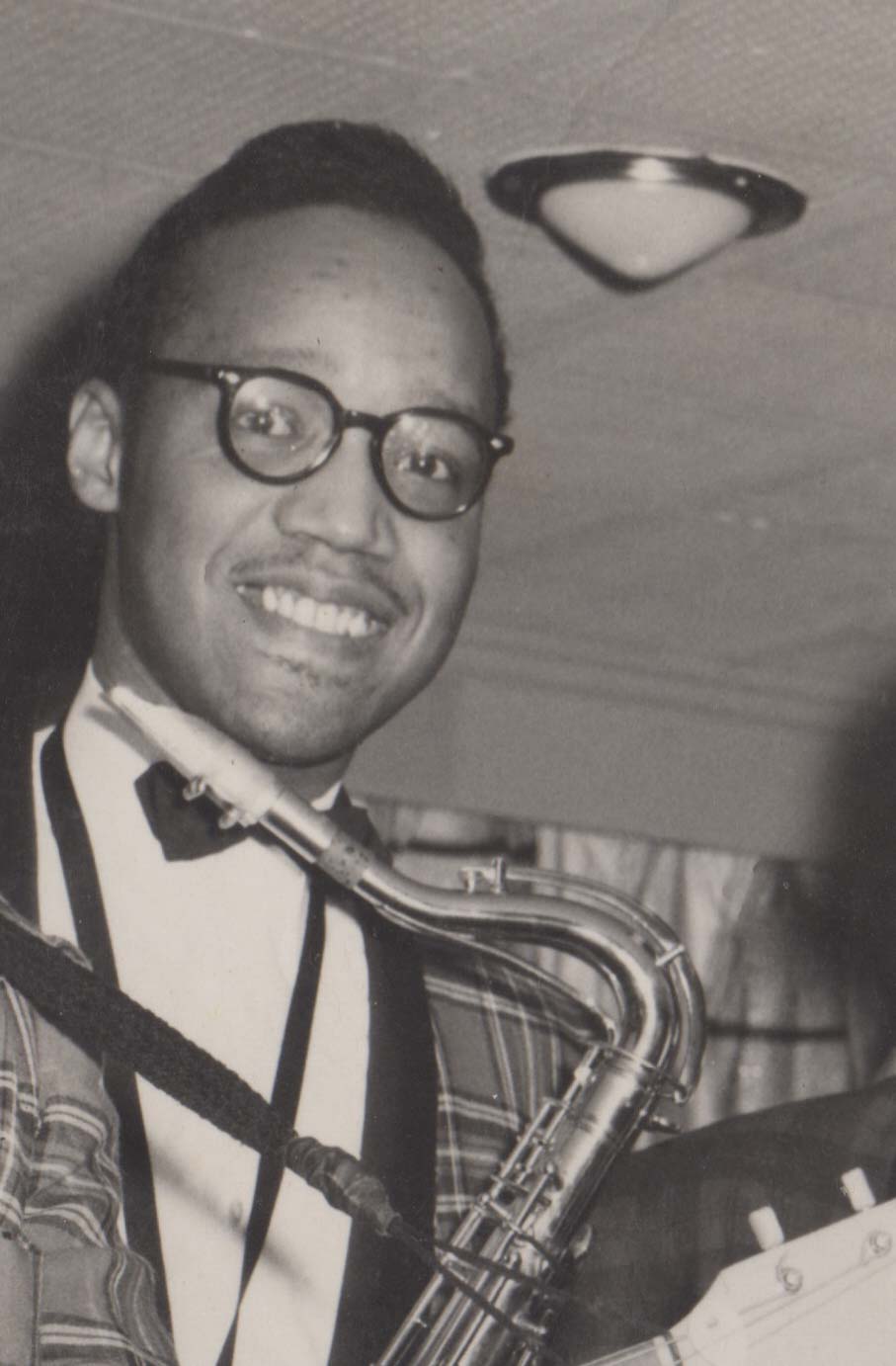
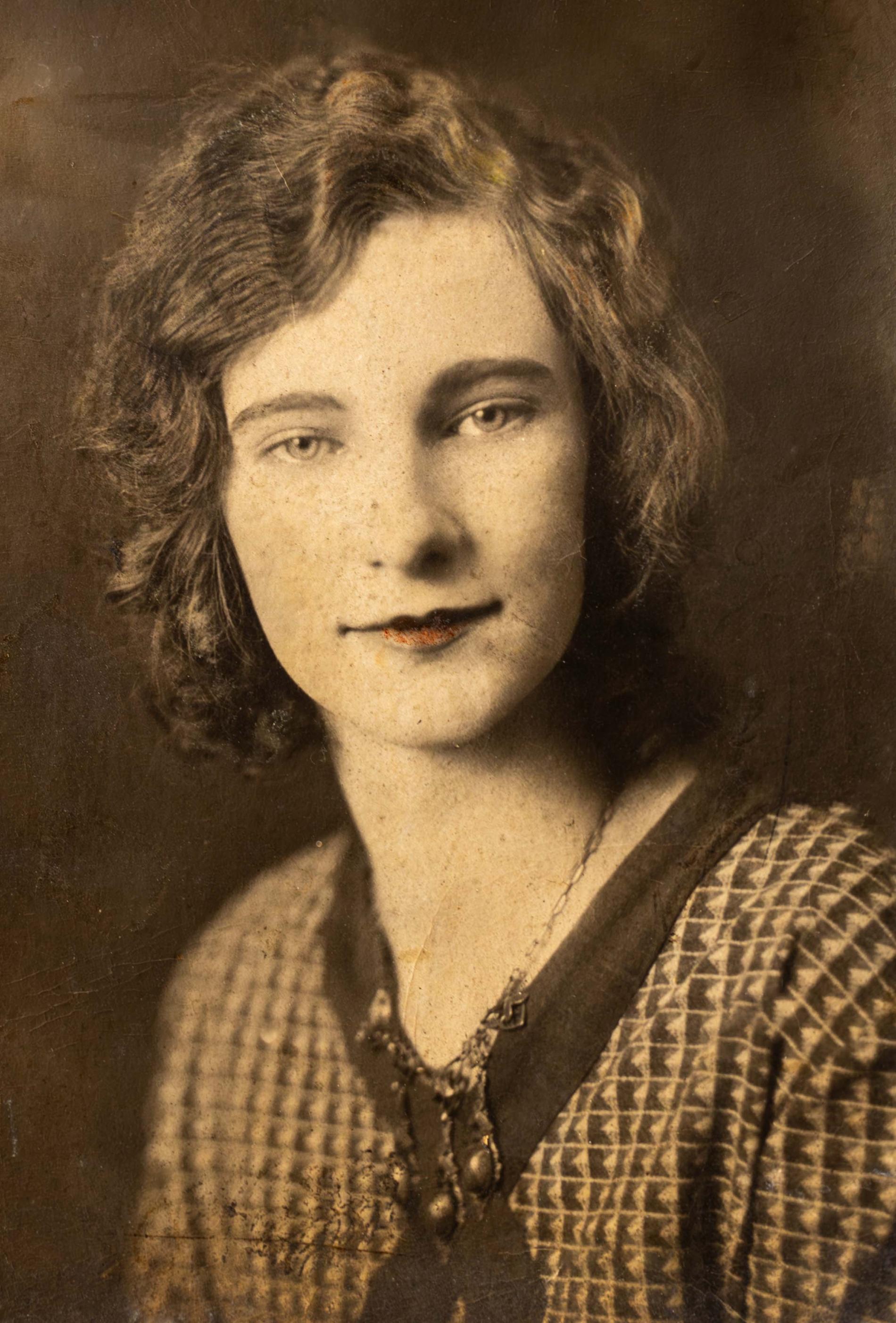
Art Tatum is the best-known name, but he was not alone. Volume 1 follows pianists, guitarists, bassists, singers, horn players, drummers and bandleaders who built Toledo's music scene, carried it onto national stages, or gave younger players a standard to measure themselves against.
The musicians below are a starting point, not the complete cast.
The important question is not simply who came from Toledo. It is how one city created enough musical life for these people to hear one another, share bandstands, learn from older players and connect with the wider jazz world.
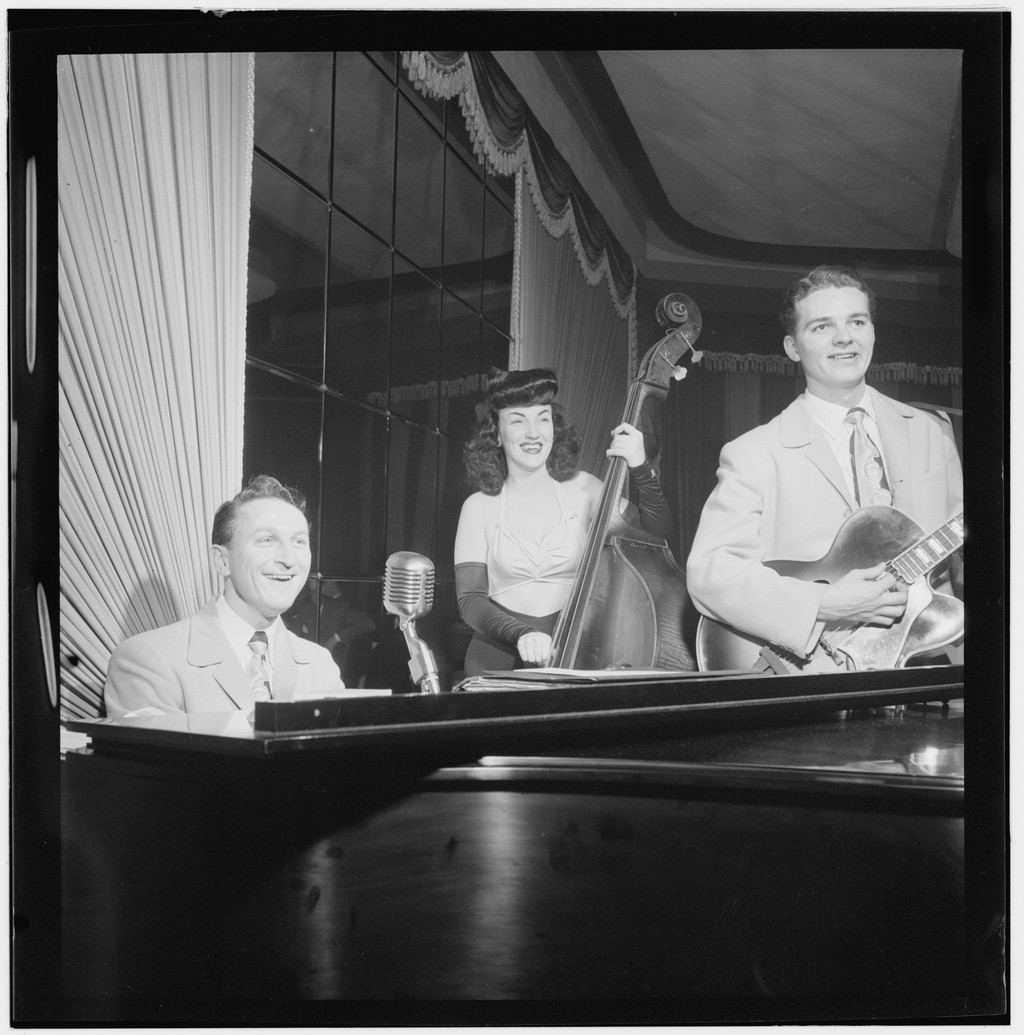
Art Tatum, Roy Bargy, Arv Garrison, Vivien Garry and Jon Hendricks were all born or raised here — five careers that reached far beyond Northwest Ohio.
Others arrived from elsewhere and became part of the working scene, building careers through Toledo clubs, bands, teaching and long musical relationships.
Through Toledo players, the local scene crossed paths with Paul Whiteman, Charlie Parker, Miles Davis, Duke Ellington, Ella Fitzgerald, Louis Armstrong and Count Basie.
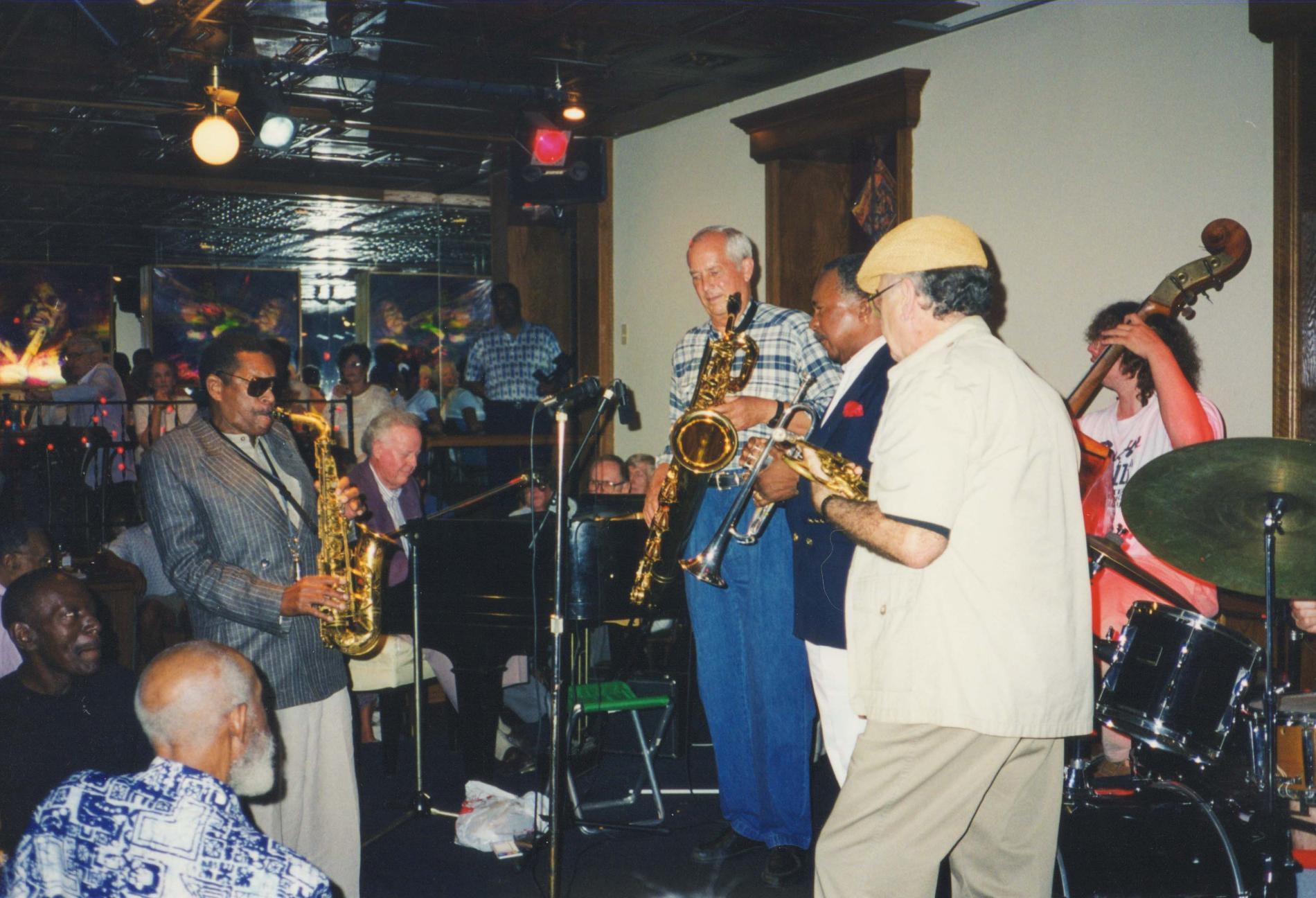
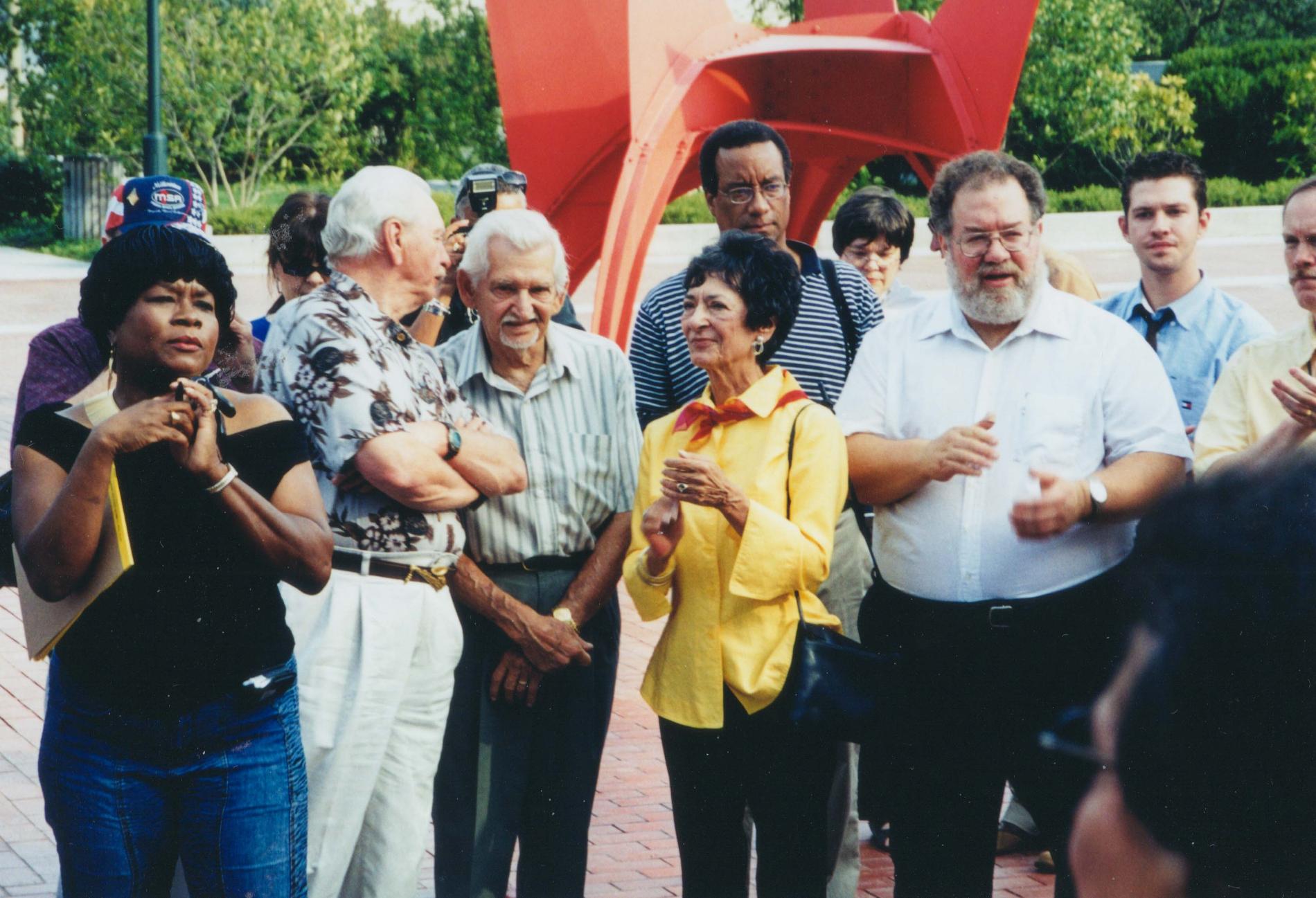
Doug's photograph collection is the reason this book exists. These are people the camera actually caught.
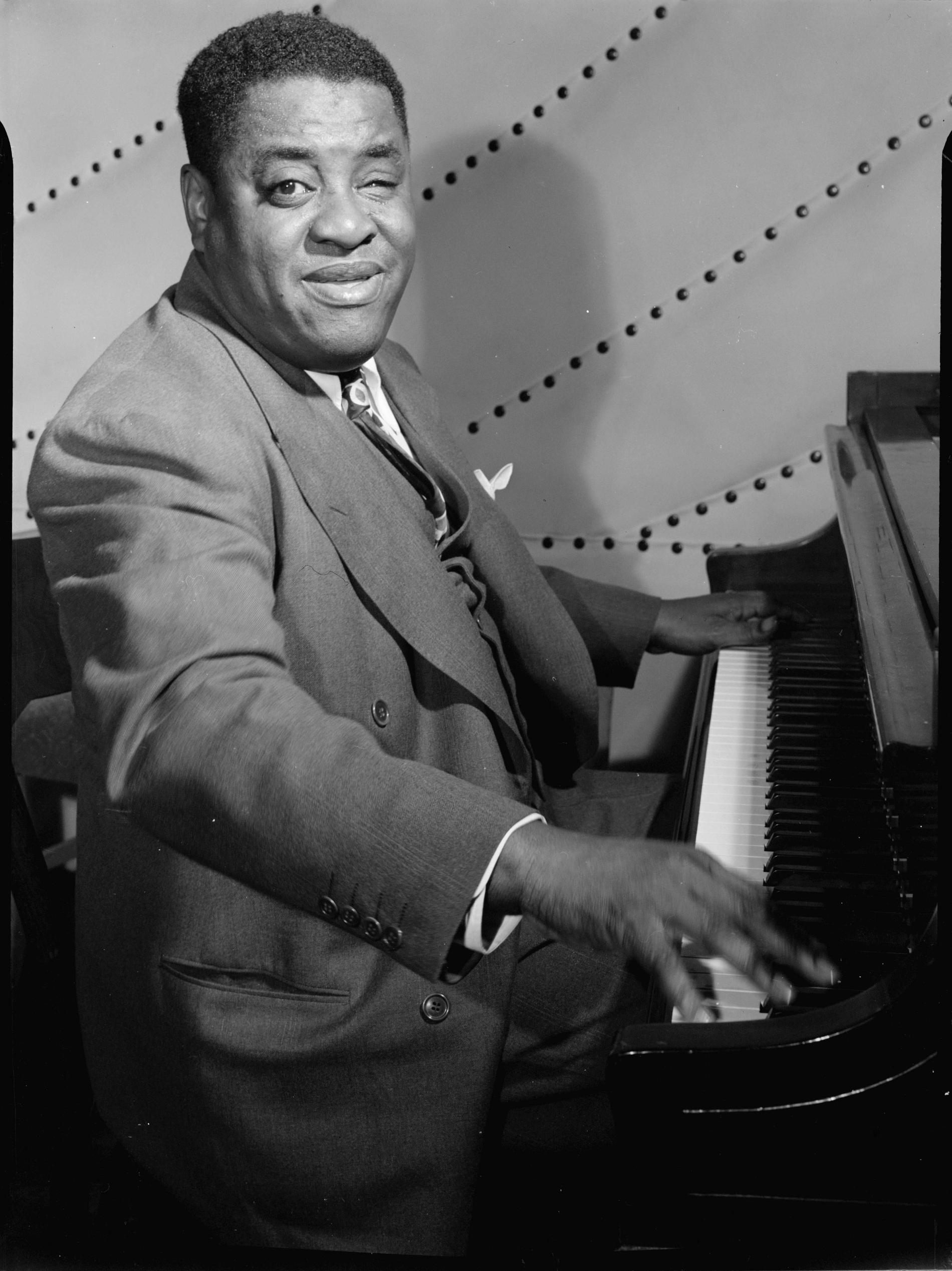
1909–1956. Widely regarded as the greatest pianist jazz has produced. He built his technique in Toledo speakeasies, rent parties and on WSPD radio before leaving for New York in 1932, where he bested Fats Waller, James P. Johnson and Willie "The Lion" Smith in a legendary cutting contest.
A self-taught Toledo guitar prodigy who idolized Django Reinhardt, and the bassist he taught to play in 1942. Together they fronted the touring Vivien Garry Trio and recorded with Charlie Parker and Miles Davis in the 1946 bebop sessions.
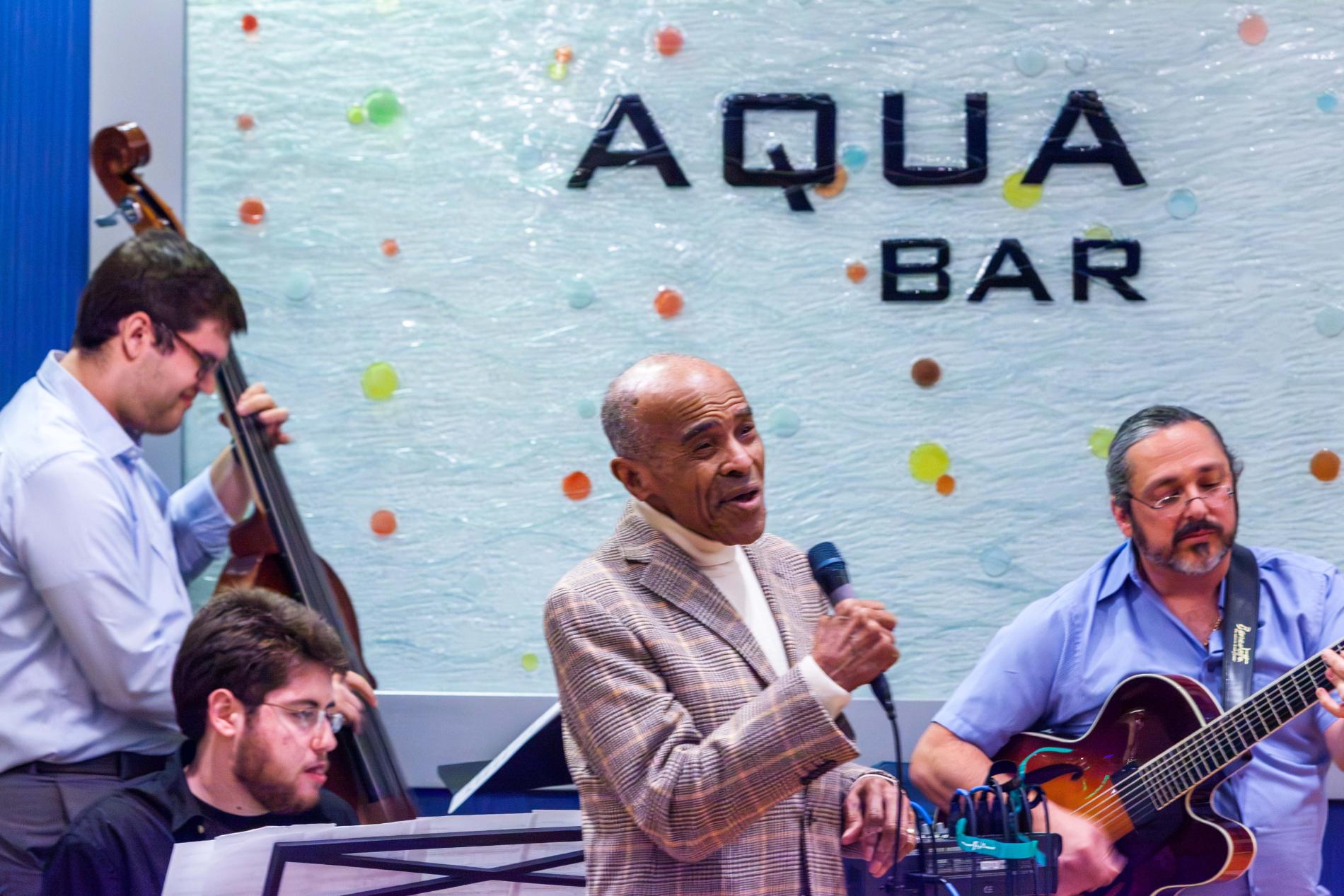
1921–2017. The "James Joyce of Jive" grew up in Toledo and learned his vocal keys performing alongside Art Tatum as a child. He became the defining innovator of vocalese and later returned to teach jazz at the University of Toledo.
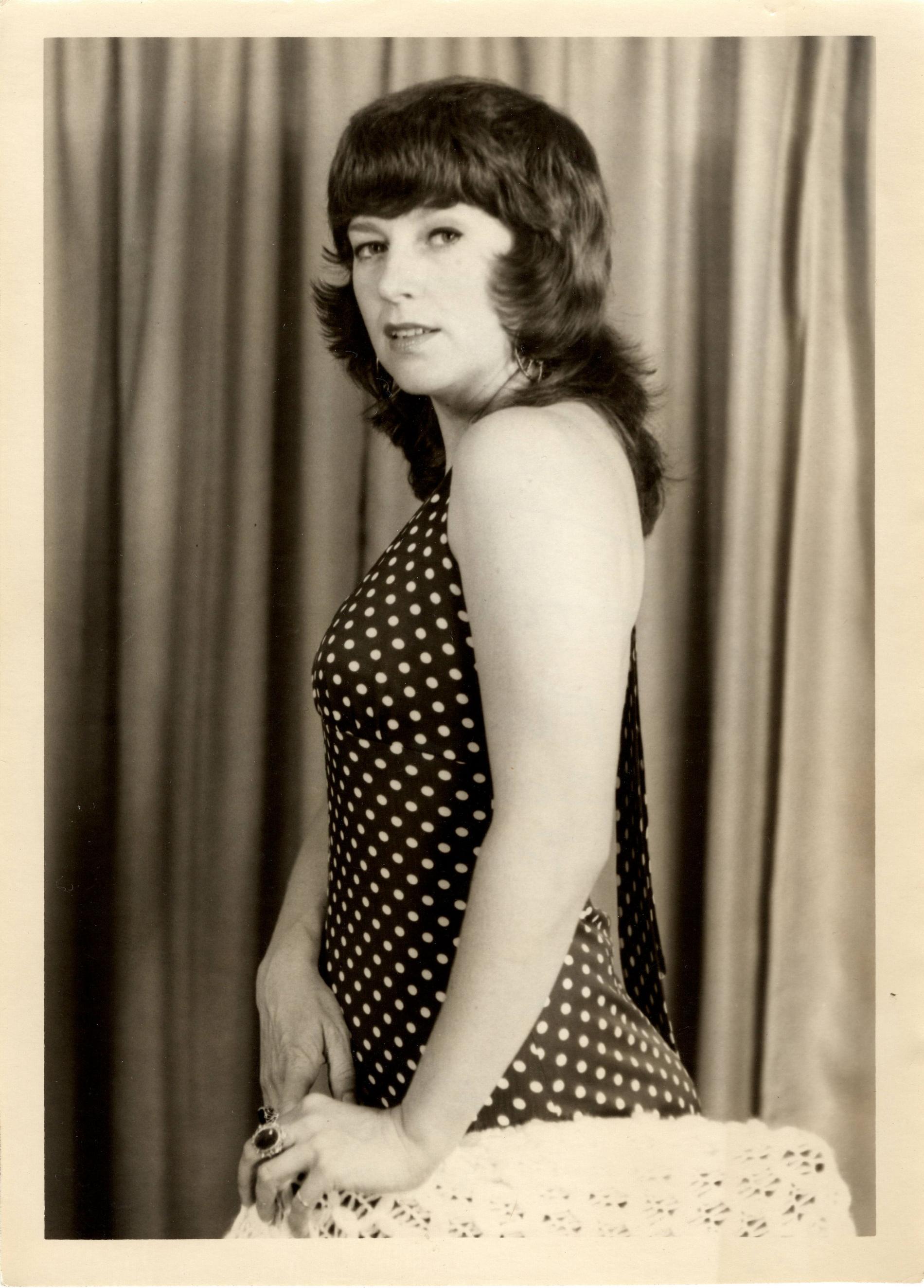
A Toledo vocalist who fronted the Howard Hill Trio and later sang with the Bobbie Douglas All Star Quartet — one of the working singers who kept the city's rooms filled decade after decade.
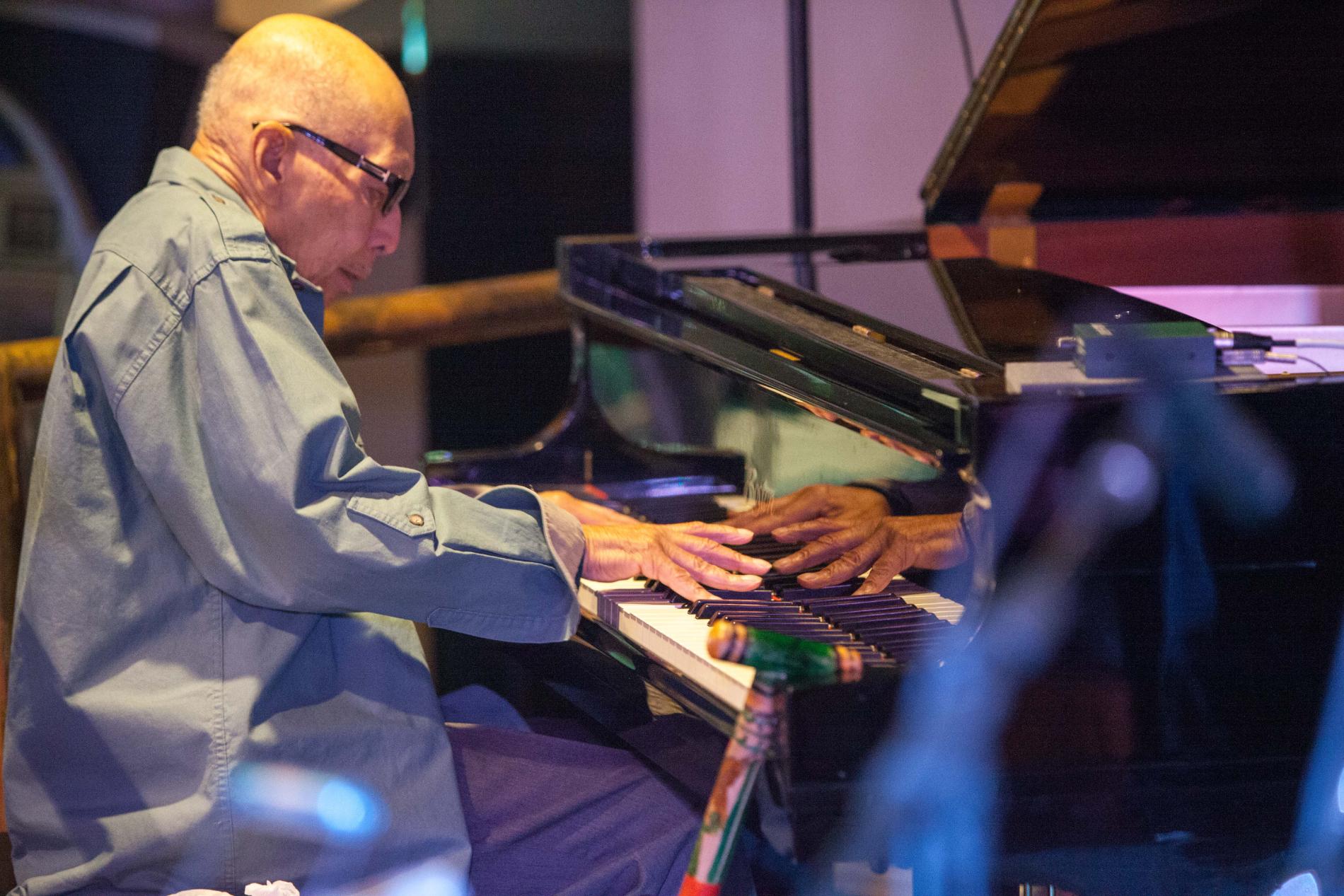
A Detroit-born pianist who became one of the major figures of Toledo's later jazz scene and a fixture at Murphy's Place. Volume 1 introduces him as the early story reaches mid-century.
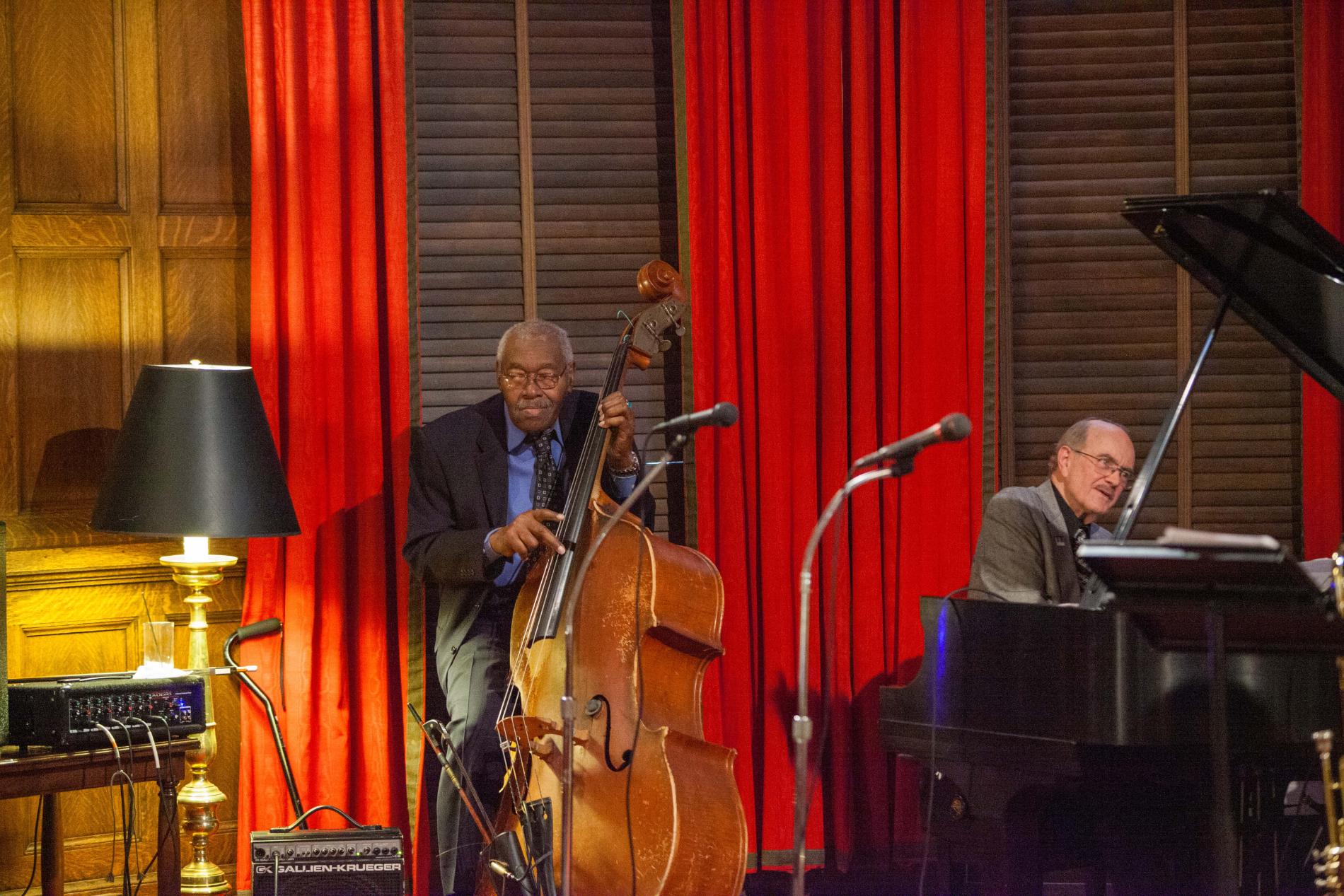
A Toledo-raised bassist who grew up near the Tatum home, mentored generations of Toledo jazz youth, and later gave the city a room of its own at Murphy's Place.
Terry led the Chicago Nightingales, a prominent African American territory band based in Toledo from 1928. They performed at the Graystone Ballroom, broadcast on WSPD, and brought strong professional players — including saxophonist Eddie Barefield — into the city. This newspaper notice is most of what survives.
Where they played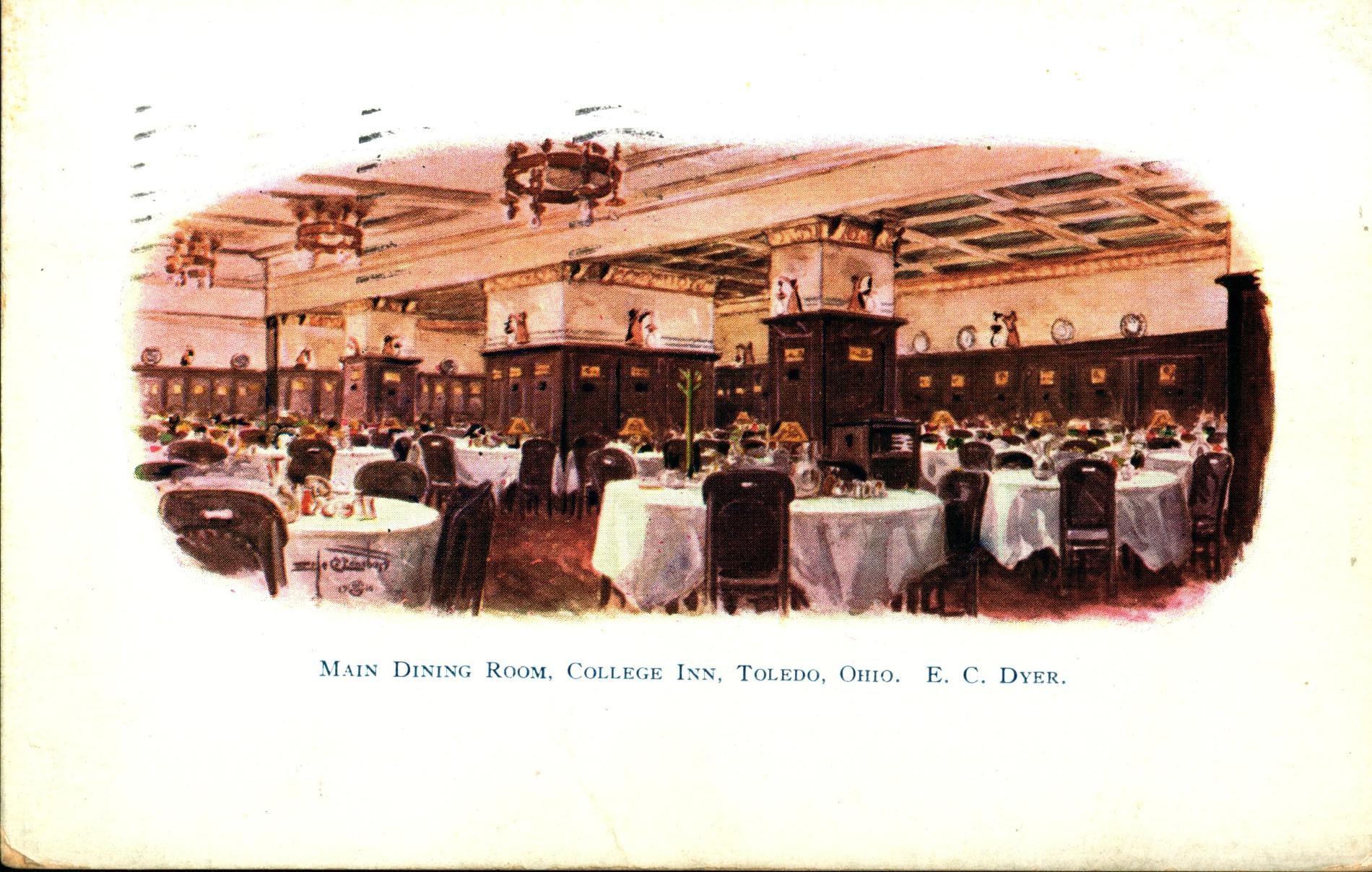
Toledo-raised, Bargy learned ragtime by frequenting the city's Tenderloin district as a teenager. He became a nationally published piano-roll composer, joined Paul Whiteman's orchestra, and spent decades as musical director for Jimmy Durante.
Early jazz in Toledo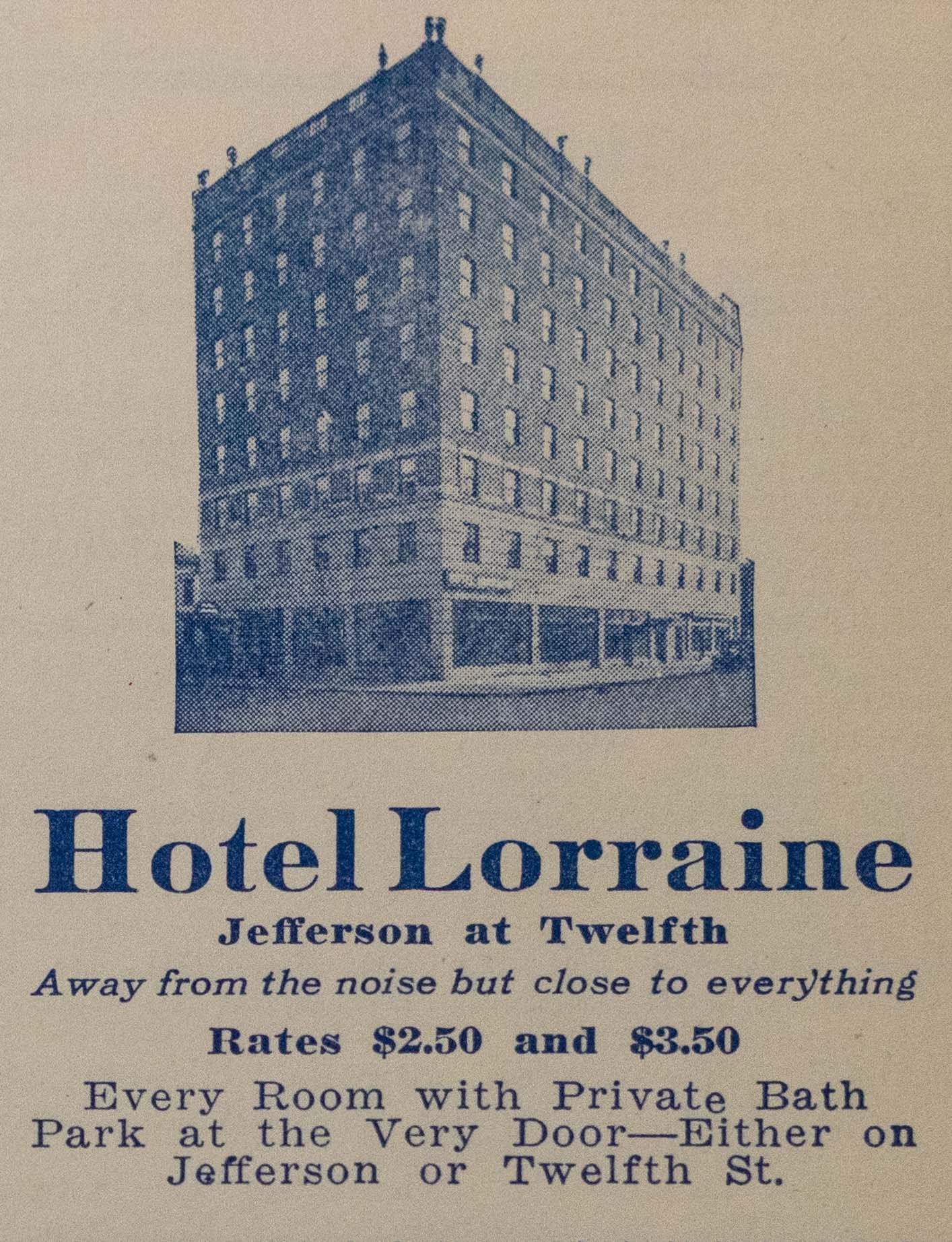
The father of stride piano studied composition at a Toledo conservatory and performed at the Dixon Hotel and Herman's Cabaret, influencing a young Art Tatum. Years later he was one of the New York pianists Tatum had to face down.
Art Tatum in ToledoKarl Karp, Frederick Seymour, Alma Cooley, Fritzi Bigelow, Harry DeArmond and Eddie Church appear in the story of early bands, speakeasies and the move from ragtime into jazz.
Adelaide Hall, Fats Waller, Teddy Wilson, Milt Senior, Eddie Barefield and El Myers connect Tatum's Toledo years to the wider jazz world. Ella P. Stewart — a pharmacist, not a musician — is essential: she made the introduction that took him to New York.
Jack Runyan, Jimmy Reemsnyder, Johnny Knorr, Mary Ann Russo and Red Ingle show how deep Toledo's band culture became during the swing years.
Odessa "Chubby" Kemp, Oscar "Bebop" Caldwell, Buddy Sullivan and Juanita Brown reflect Toledo's movement into bebop, jump music and the postwar club scene.
Bob White, Velmer "Fats" Mason, Lewis "Swing" Lee, Tommy Green and Dave Poulin represent the working musicians whose influence was heard in clubs, lessons, unions and local bands for decades.
Stanley Cowell, Candy Johnson and Larry Fuller begin to appear as Volume 1 approaches mid-century, setting up the musicians and clubs that Volume 2 explores.
Players learned in Toledo, then carried that experience into Chicago, New York, Hollywood and major touring bands.
A musician did not need a famous record contract to shape Toledo jazz. Working players taught students, held steady jobs, ran bands and kept standards alive night after night.
Young musicians could hear older players, sit in, get corrected, and eventually become the veterans correcting somebody else.
Every biography gets clearer when it is connected to the rooms where the musician actually worked.