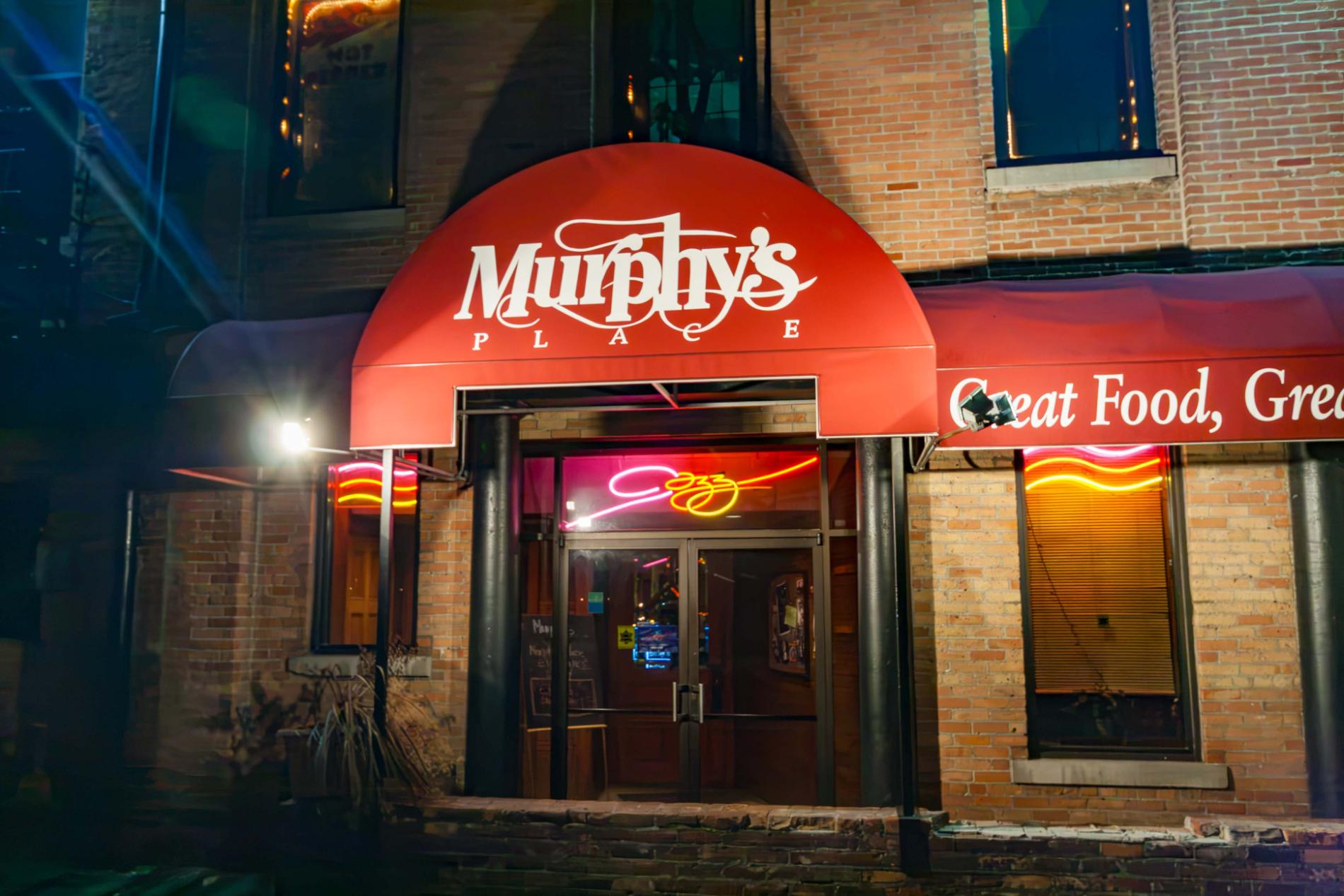
Toledo jazz lived in more than nightclubs. It lived in ballrooms, hotels, restaurants, social organizations, theaters, speakeasies, roadhouses, neighborhood bars and after-hours rooms.
Some buildings survive. Others disappeared so completely that only an advertisement, an address and somebody's memory remain. These are the places that give The Early Years its geography.
A venue is not only an address. It is a job for a musician, a meeting place for an audience, and a point where local and touring players hear one another. Toledo's jazz history gets much easier to understand once the rooms are back on the map.
The Trianon, Green Mill Gardens, Madison Gardens and Centennial Terrace show the scale of Toledo's dance culture and its appetite for live bands.
The Waiters and Bellman's Club, Indiana Avenue and other Black institutions created essential spaces for performance, community life and musical exchange.
Hotels, supper clubs, roadhouses, speakeasies and neighborhood bars gave musicians work across different audiences, neighborhoods and eras.
For most of these venues no photograph exists at all. What survives is a newspaper ad, a ticket stub, a matchbook. That scarcity is itself part of the history.
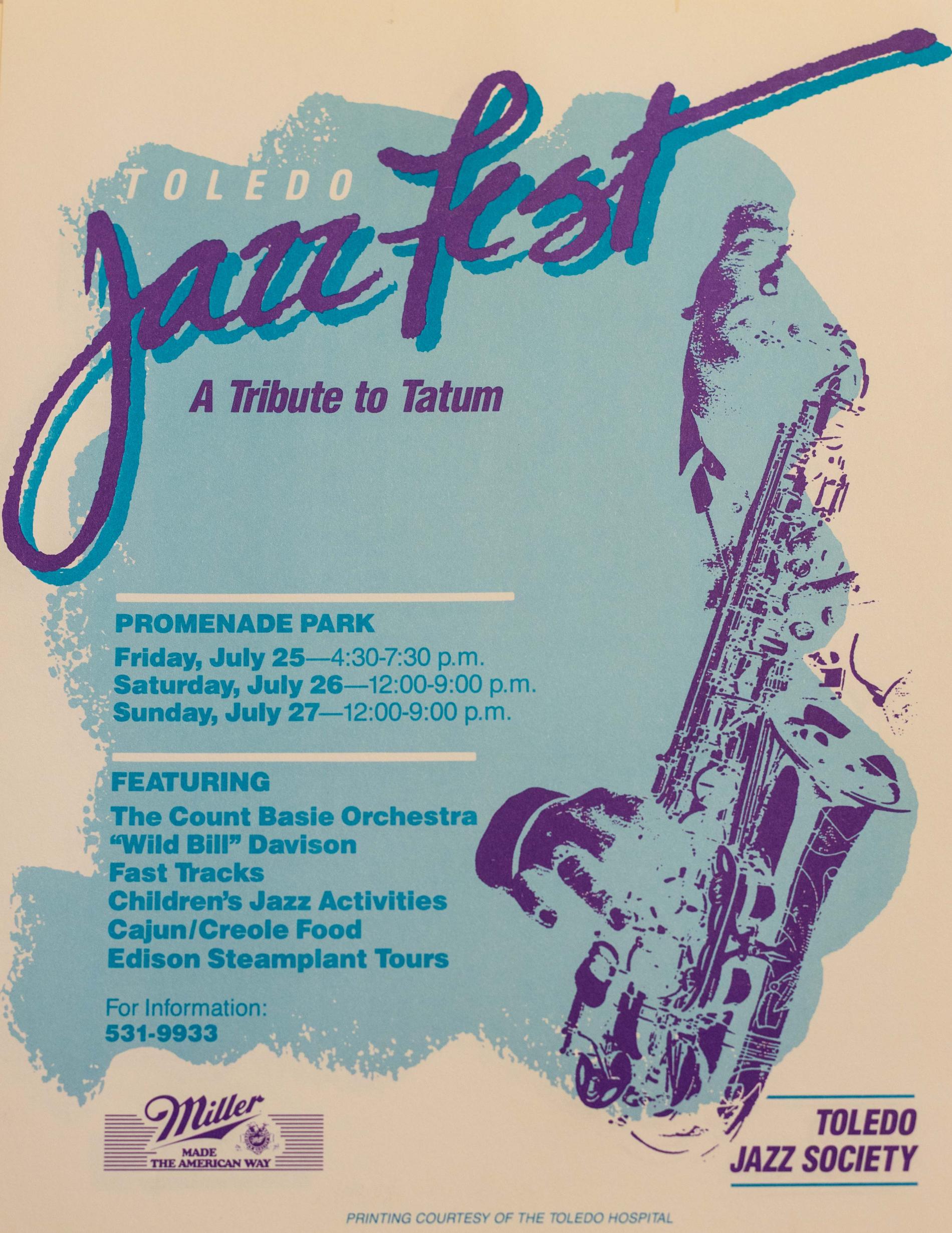
Madison Ave. at 15th St. Toledo's legendary swing-era dance palace, hosting Duke Ellington, Benny Goodman, Tommy Dorsey with a young Frank Sinatra and Glenn Miller. This courtesy ticket admitted one to hear Jimmie Lunceford on 14 April 1936.
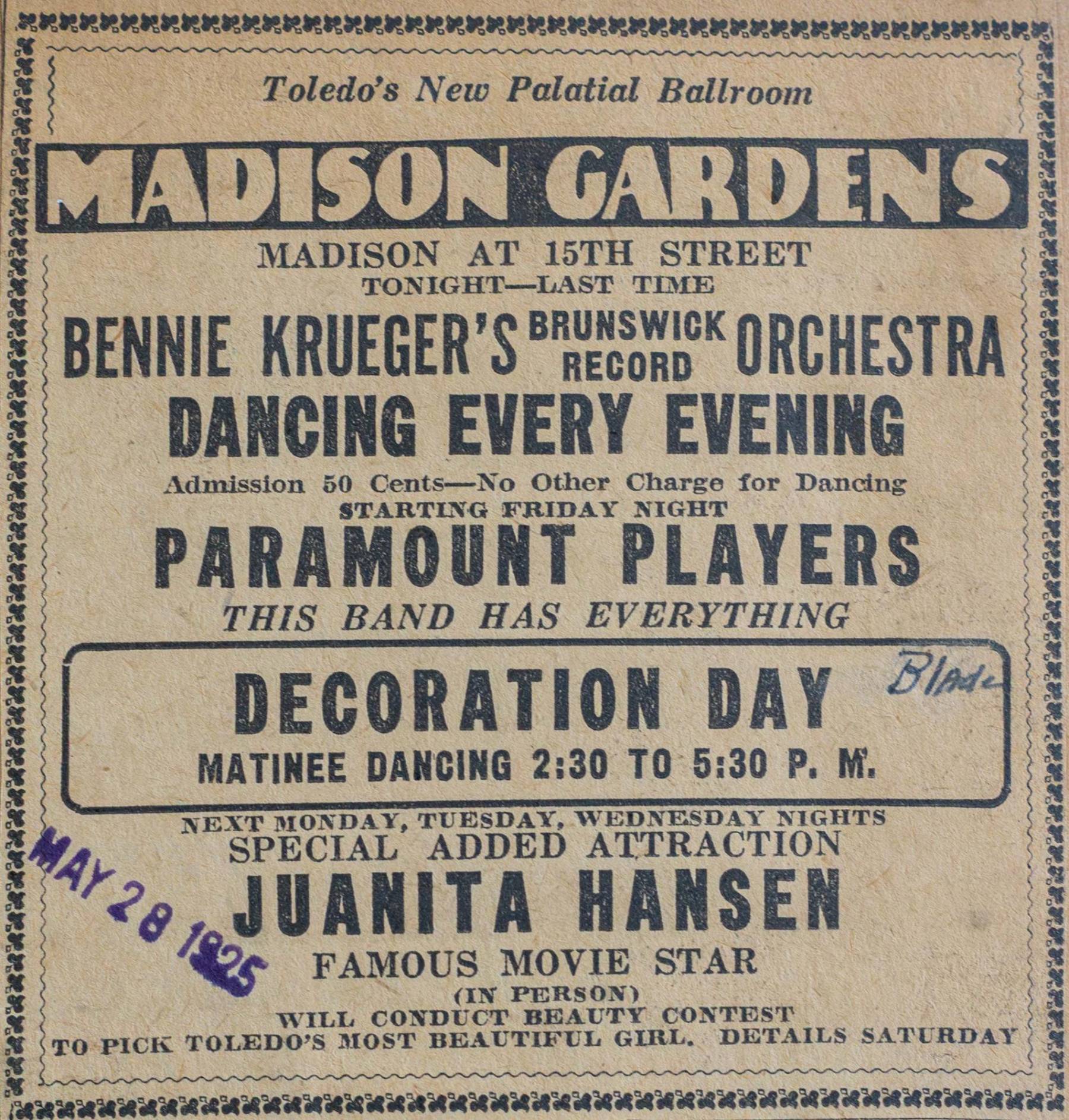
Opened 1925 at Madison Ave. & 15th St. A 10,000-square-foot hall that hosted J. Frank Terry's Chicago Nightingales and Charleston dance contests. It later became the Trianon.
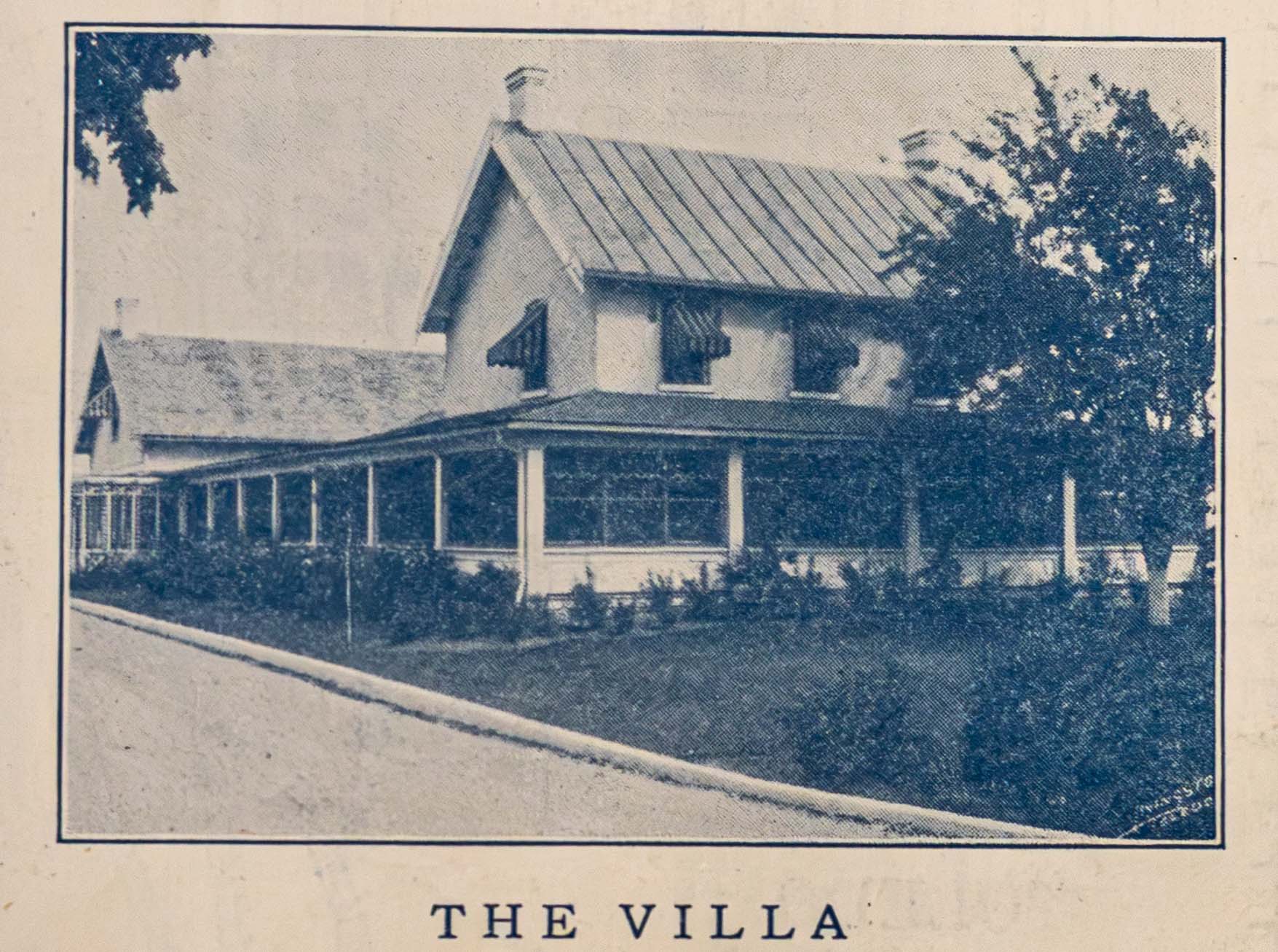
6630 Dixie Hwy., opened 1924. A gambling and dancing club owned by vice boss Jimmy Hayes, where Frederick Seymour's orchestra held forth through the Prohibition years.
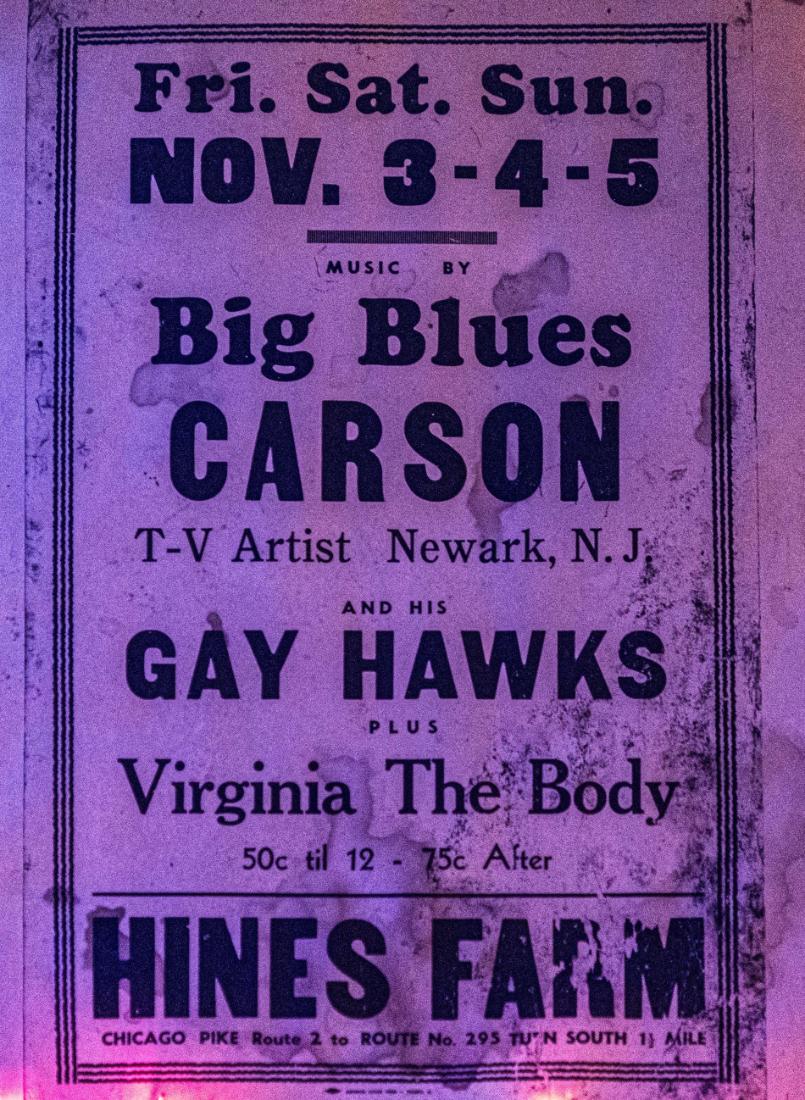
State Route 295. A legendary Chitlin' Circuit blues farm that hosted B.B. King, Muddy Waters and John Lee Hooker — proof that the region's music reached well past the city limits.
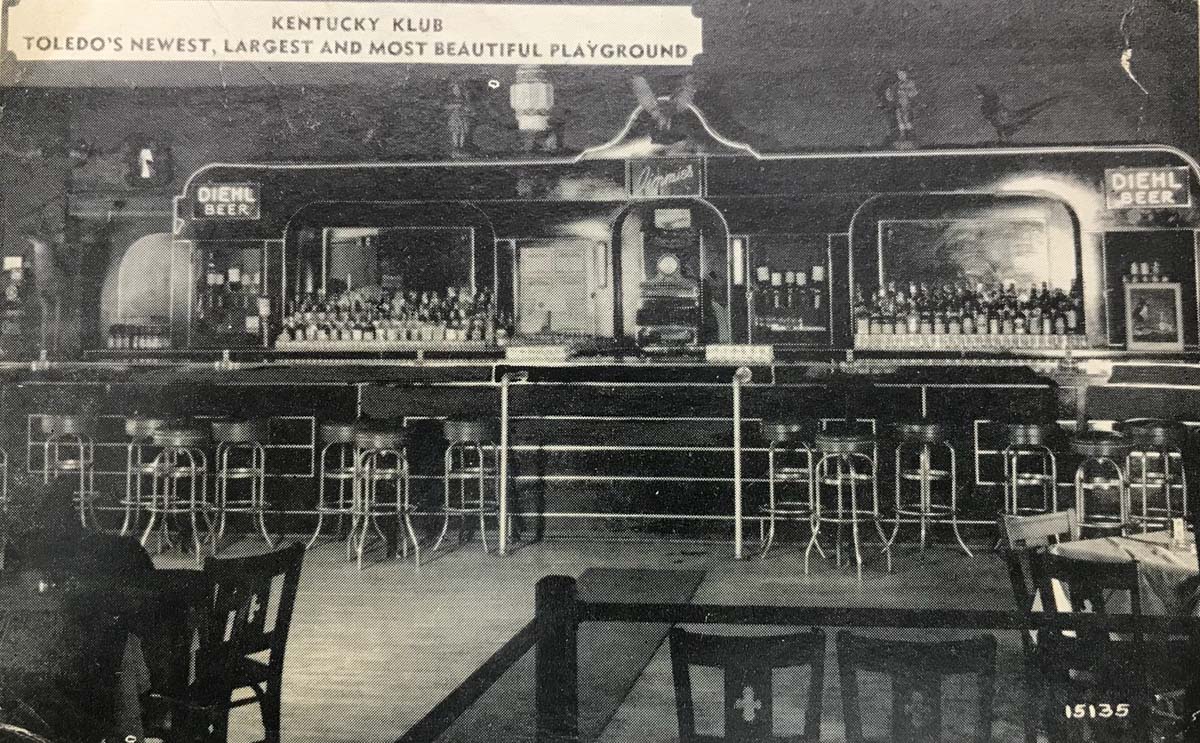
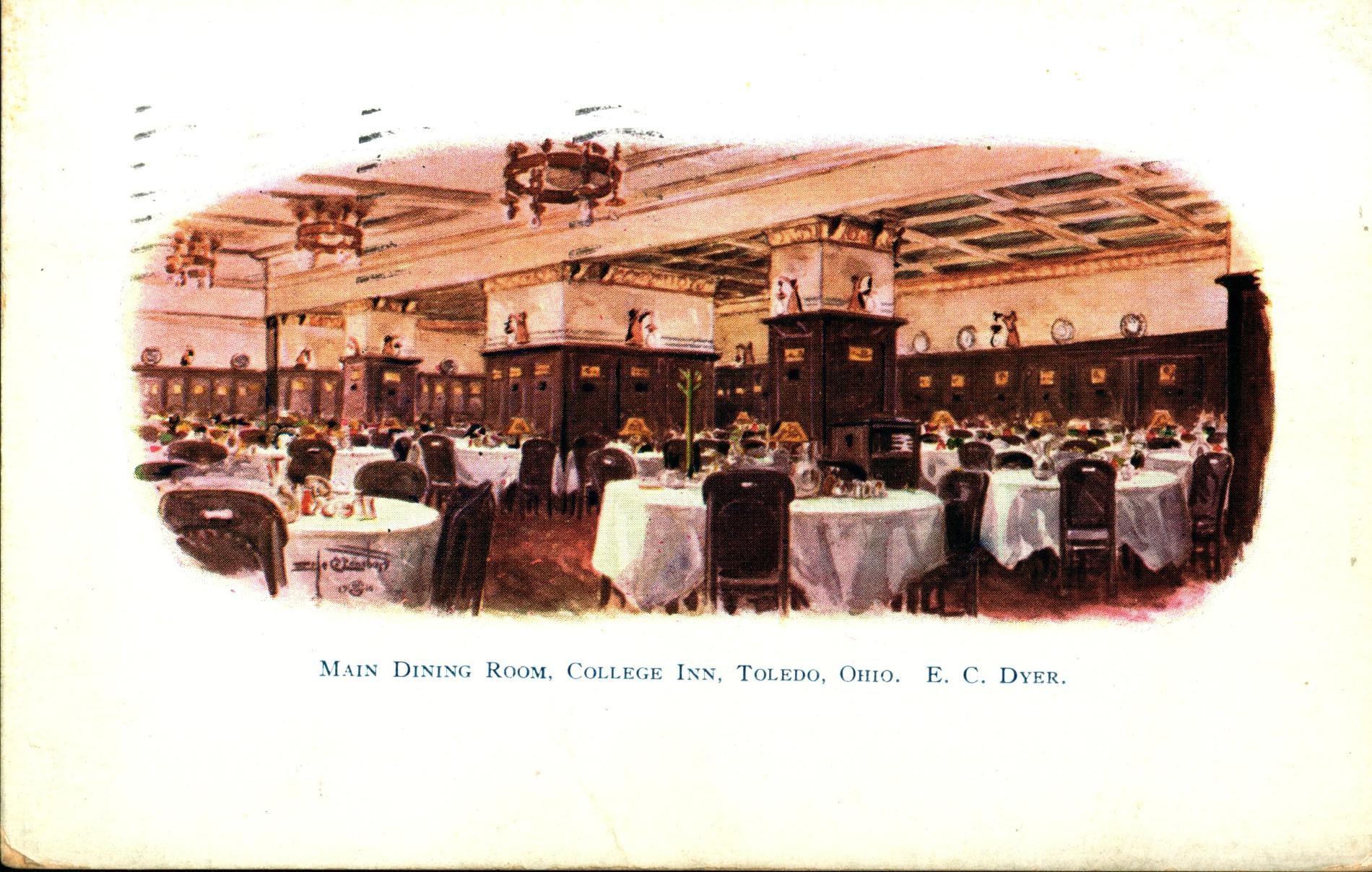
Billed as Toledo's newest and most beautiful playhouse. The interior photograph is a rare look at what one of these rooms actually felt like from the inside.
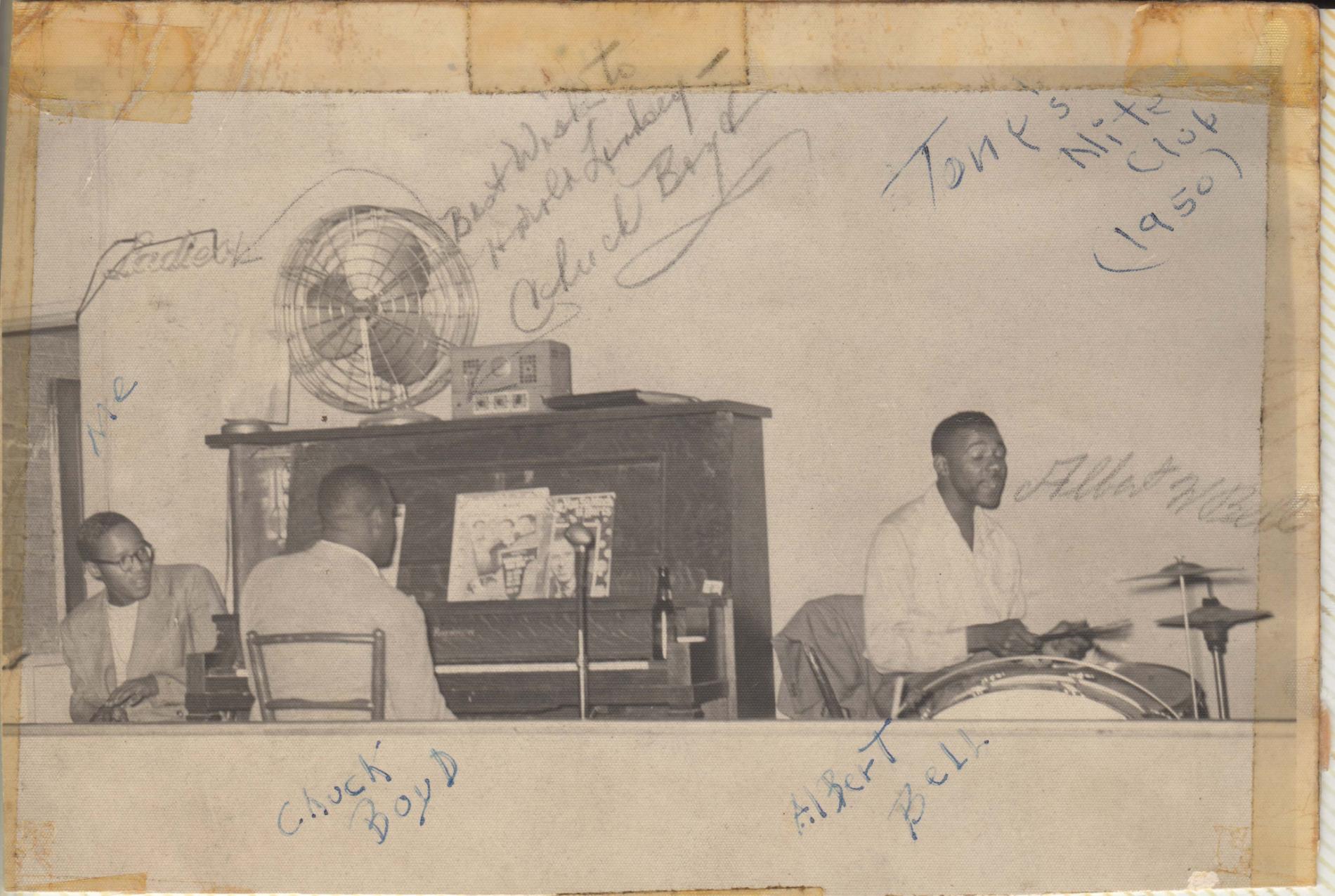
1950. A faded interior shot from the postwar years, when Toledo's club economy was shifting again and bebop was working its way into the neighborhood rooms.
545 Indiana Ave., incorporated 1917. Toledo's premier African American–run jazz club and Art Tatum's home base. Later hosted Arv Garrison, Stanley Cowell, Claude Black and Clifford Murphy.
418–420 Superior St., opened 1924. Where McKinney's Cotton Pickers — then the Green Mill Syncos — were discovered by Detroit booking mogul Jean Goldkette. It burned and was rebranded as the Showboat.
Toledo's red-light and ragtime district in the early 1900s, where Roy Bargy and later Art Tatum absorbed piano styles firsthand from performers passing through.
Adams Township. An elegant brothel, gambling room and dinner club where the Milt Senior band — featuring a young Art Tatum — held a long residency.
Toledo's Black entertainment corridor: the Waiters and Bellman's Club, the Indiana Tavern, Archie's Corner Bar, the Peter Pan Club and Stanley's Grill, where a young Jon Hendricks sang along to the jukebox.
Sylvania, opened 1939. Home of the largest outdoor terrazzo dance floor in America, managed for decades by Jack Runyan and later Johnny Knorr.
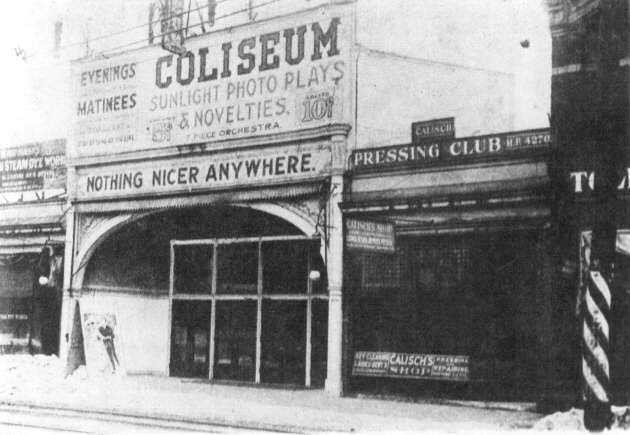
One address may have carried several club names over time. Big Noble's was Herman's Cabaret and later Chicken Charlie's. That is why addresses, owners and dates matter as much as the name on the marquee.
Downtown, Indiana Avenue, Dorr Street, Lagrange Street, Point Place and the outlying roadhouses each served different audiences and different musical functions.
A vanished club can still be documented through advertisements, directories, photographs, newspaper reports and the musicians who remembered working there.
Doug plotted these rooms onto a period street map of Toledo, keyed to the pages where each story is told. Seeing them together turns a list of names into a working geography. The map is a separate print insert included with every hardcover ordered through this site.