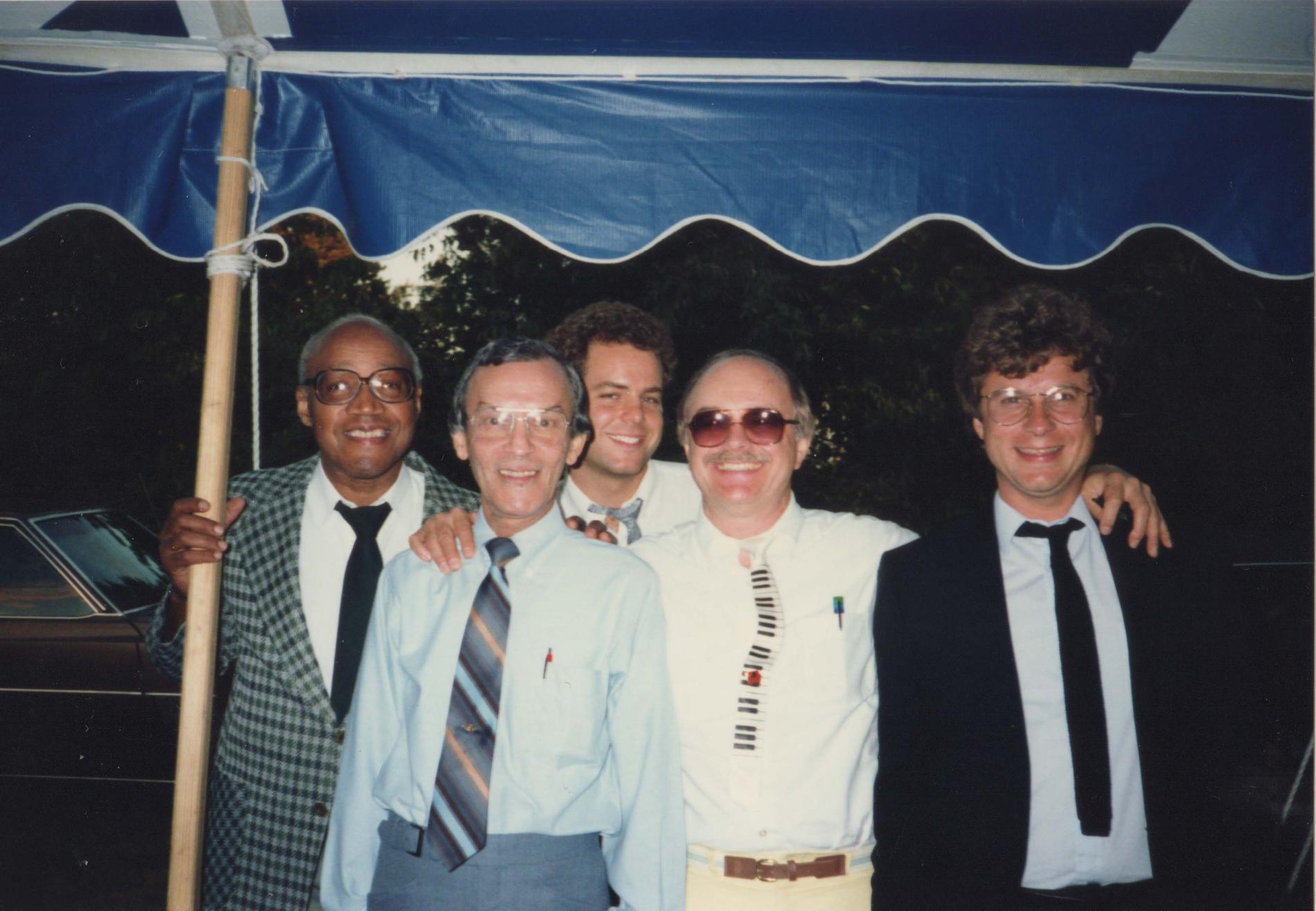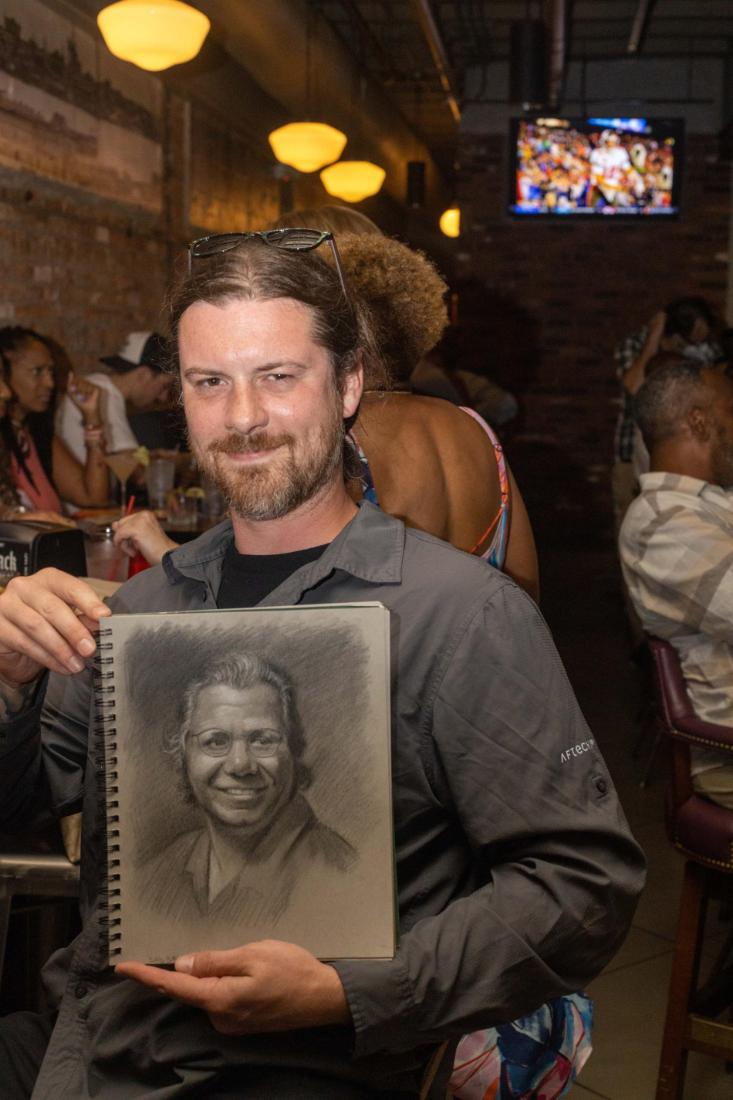
Douglas Swiatecki is the author of Toledo's Jazz Legacy and editor of the Toledo Jazz Newsletter. His work focuses on the people, clubs, photographs, addresses and first-hand stories that made Toledo's jazz scene deeper than the standard national histories suggest.
The project grew from a basic problem: too much of Toledo's jazz history was scattered, poorly indexed or disappearing. A search for evidence of Art Tatum performing in Toledo as an adult opened much larger questions about where musicians worked, who heard them, and which stories had never been assembled.
Swiatecki followed those questions through historic newspapers, city directories, library collections, photographs, family material, interviews and private archives. The work became a two-volume history and the Toledo Jazz Map.
Local music history disappears in small pieces. A club closes. A photograph loses its caption. A musician dies. A newspaper listing survives without the story behind it. Toledo's Jazz Legacy is an attempt to bring those pieces back together before more of them are lost.
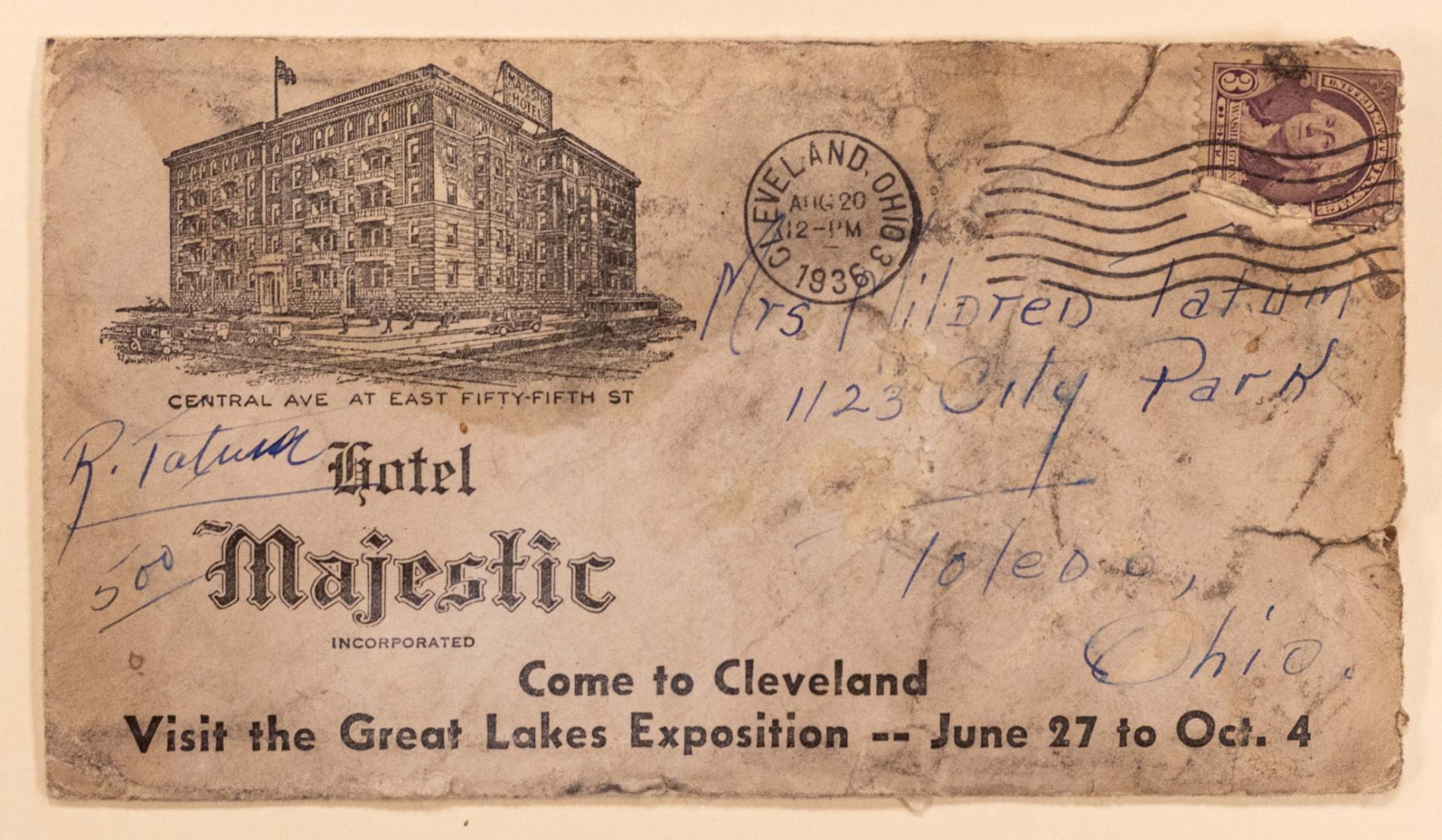
Names, dates, addresses, photographs and family documents matter because they let future researchers build on something more reliable than memory alone.
Interviews and first-hand recollections explain why a musician or a room mattered in ways a calendar listing never can.
The book documents the history. The Toledo Jazz Newsletter keeps Doug connected to the living scene and to new discoveries that continue to surface.
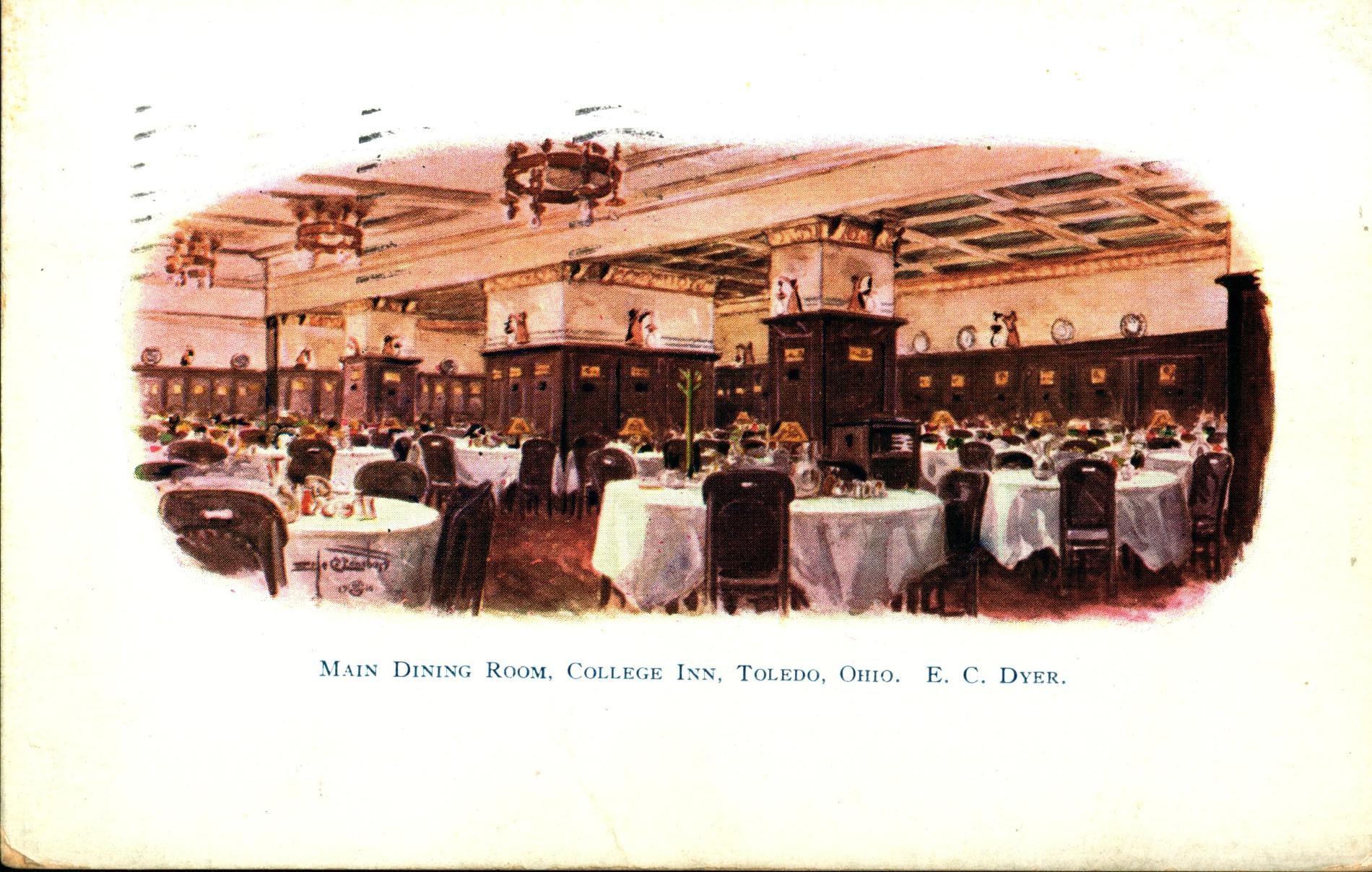
Newspapers, directories, advertisements, union records and public records establish the basic facts.
One source can be wrong or incomplete. A date, address or identity becomes stronger when several independent pieces line up.
Private collections reveal information never captured in public archives — including the previously unpublished Tatum family material used in Volume 1.
Oral histories add the human layer: how the room worked, what a musician sounded like, and why a particular night stayed in memory.
The Early Years documents the city's development from vaudeville and ragtime through Art Tatum, swing, bebop and the approach to mid-century.
The Later Years continues with the people, clubs and generations that carried Toledo jazz forward. Planned for Fall 2026.
A free monthly publication covering current Toledo-area jazz, historical discoveries, photographs, musicians and local music news.
A research-driven map locating early clubs, theaters, ballrooms, restaurants and after-hours rooms throughout the city.
Photographs, advertisements and personal collections are central to identifying people and reconstructing places that no longer exist.
Libraries, schools, history organizations and jazz groups can reach Doug through the contact page for presentations and research questions.