Toledo's jazz story begins before Art Tatum, and before jazz was a settled label. Touring theater shows, vaudeville, ragtime, dance bands and a growing entertainment economy created the ground the city's first jazz scene grew from.
This is the Toledo that Roy Bargy, James P. Johnson, Karl Karp and the first generation of local players knew.
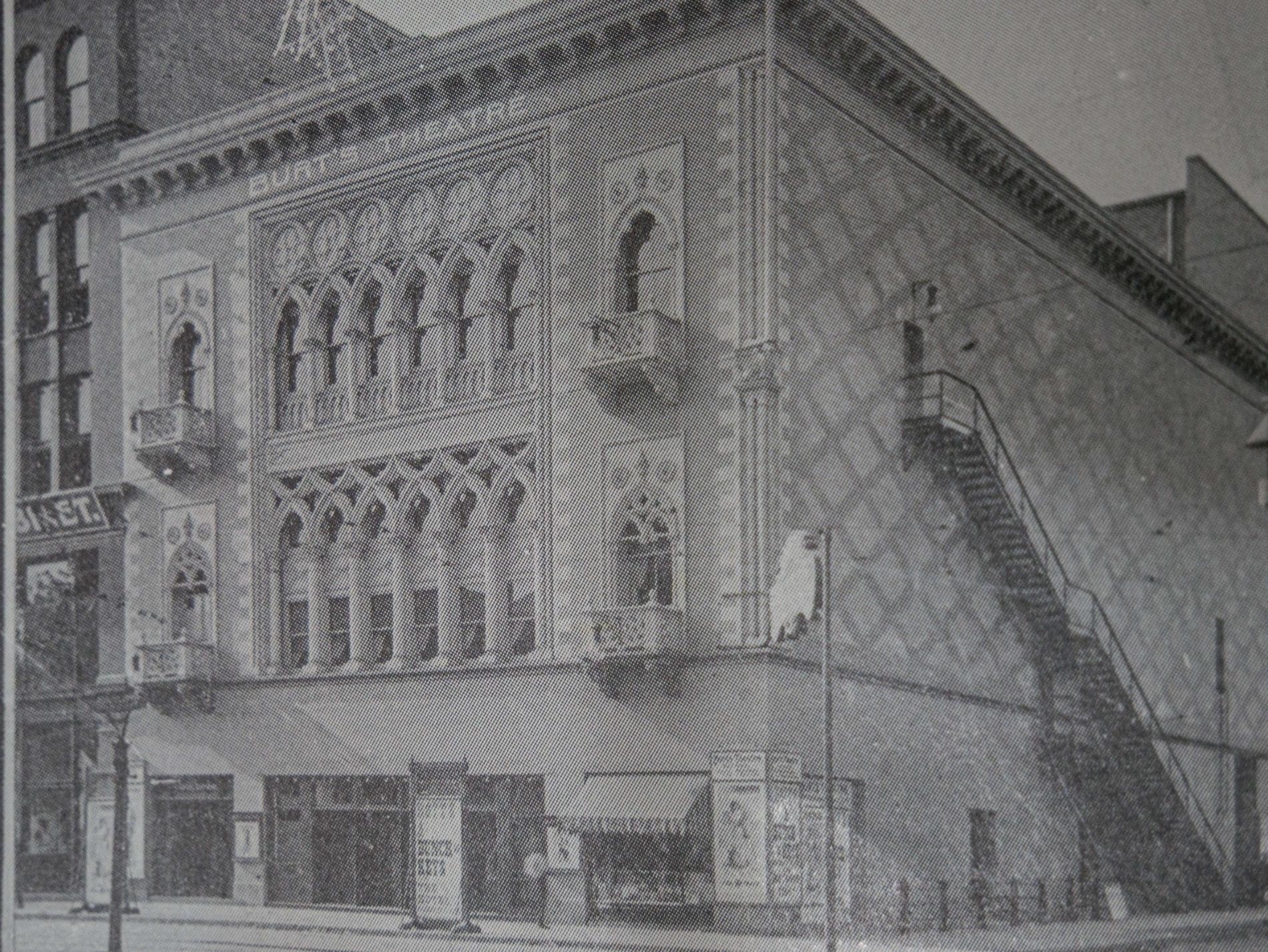
Dunlap's Union Hall. One of Toledo's earliest venues for vaudeville and touring musical entertainment establishes a pattern of live performance that grows with the city.
Scott Joplin visits Toledo. Ragtime is moving through the country, and Toledo audiences encounter the music that will shape the next generation of popular piano.
Roy Bargy and the Tenderloin. As a teenager Bargy seeks out ragtime in Toledo's entertainment district, absorbing styles that will carry him into piano rolls, publishing and Paul Whiteman's orchestra.
Jazz appears in the local record. Karl Karp's Toledo Club Six Syncopaters show the new musical language taking hold, in the same year Prohibition politics begin reshaping the city's nightlife.
James P. Johnson in Toledo. The great stride pianist studies composition here and performs at the Dixon Hotel and Herman's Cabaret, giving Toledo players direct contact with the New York tradition.
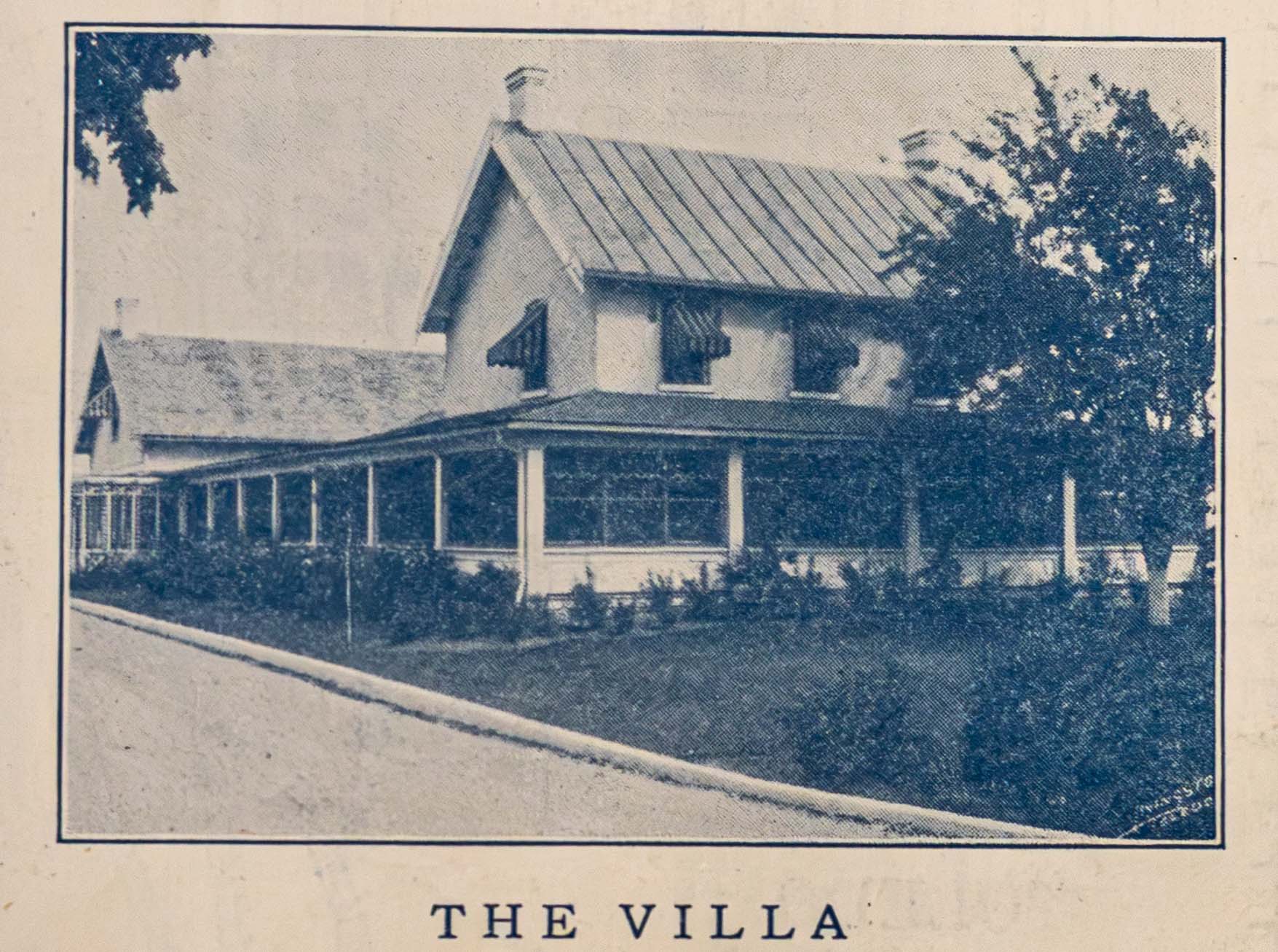
The dance halls open. The Villa, Green Mill Gardens and Madison Gardens join a growing network of rooms serving dancers, touring groups and local bands.
Radio and territory bands. J. Frank Terry's Chicago Nightingales broadcast on WSPD and build a professional scene reaching well beyond a single club or neighborhood.
Toledo-raised, he learned ragtime locally, became a successful piano-roll composer, joined Paul Whiteman's orchestra and later spent decades as musical director for Jimmy Durante. Bargy proves Toledo's connection to national popular music a generation before Tatum.
Meet the musicians
The father of stride piano studied and worked in Toledo, performing at the Dixon Hotel and Herman's Cabaret before returning east to write "The Charleston." His presence connected local pianists directly to the developing New York tradition.
Art Tatum in Toledo
Terry's Chicago Nightingales became a major African American territory band based in Toledo, performing at the Graystone Ballroom, broadcasting on WSPD, and showing the city could support professional band culture before swing arrived.
The Great Migration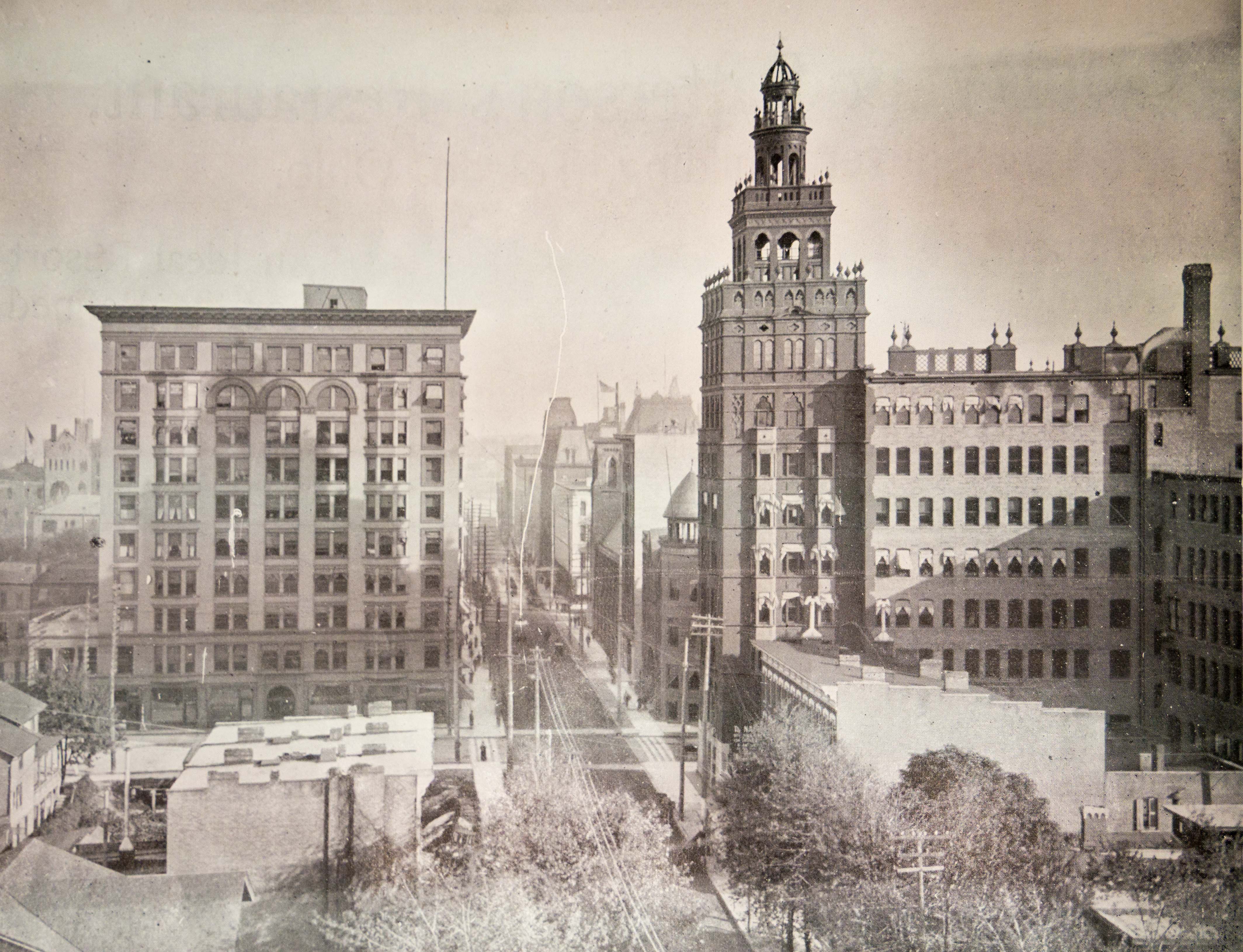
Born Oscar Carl Hume, Karp led the Toledo Club Six Syncopaters, an early local jazz group active from around 1917 through the late 1920s in Toledo and across the region.
Meet the musicians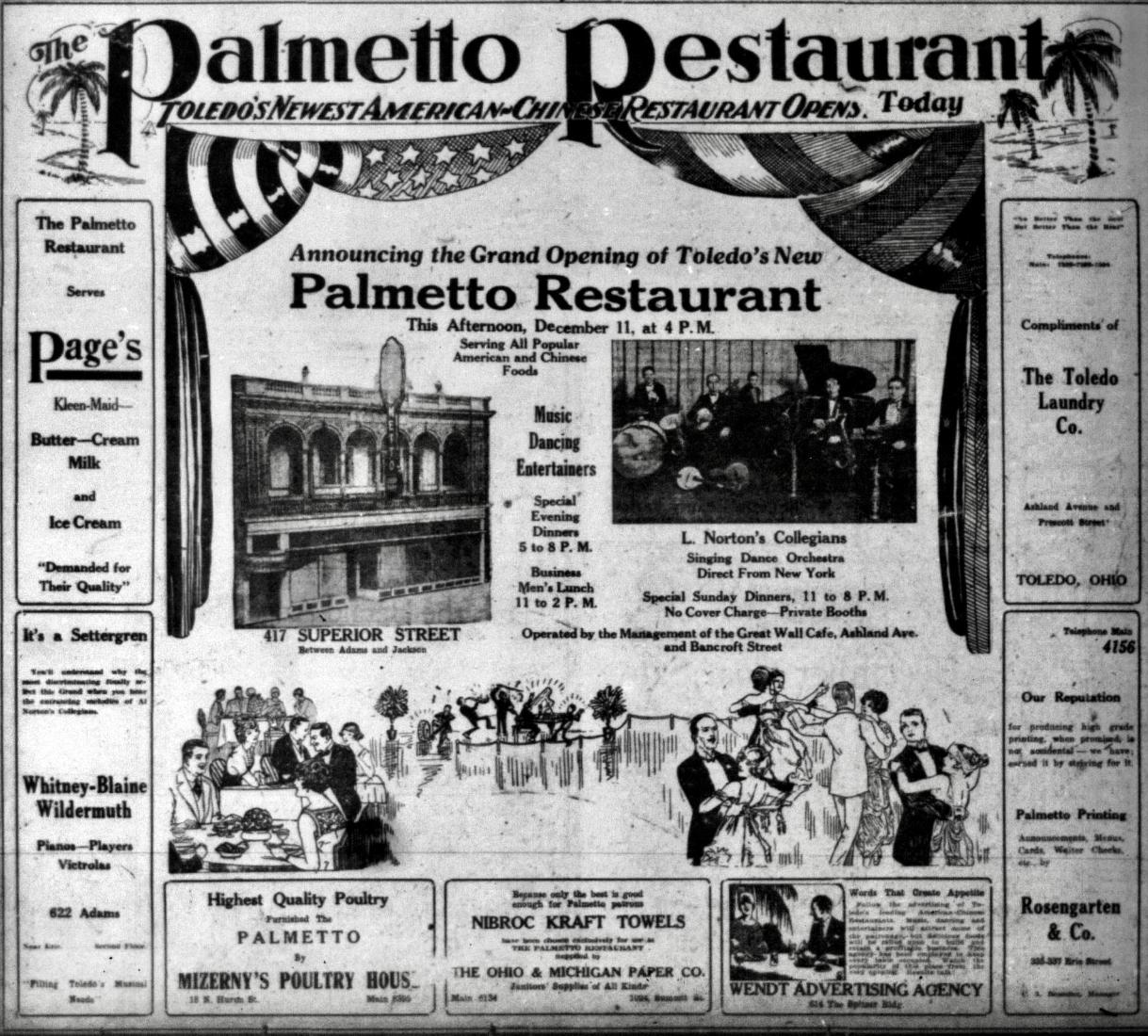
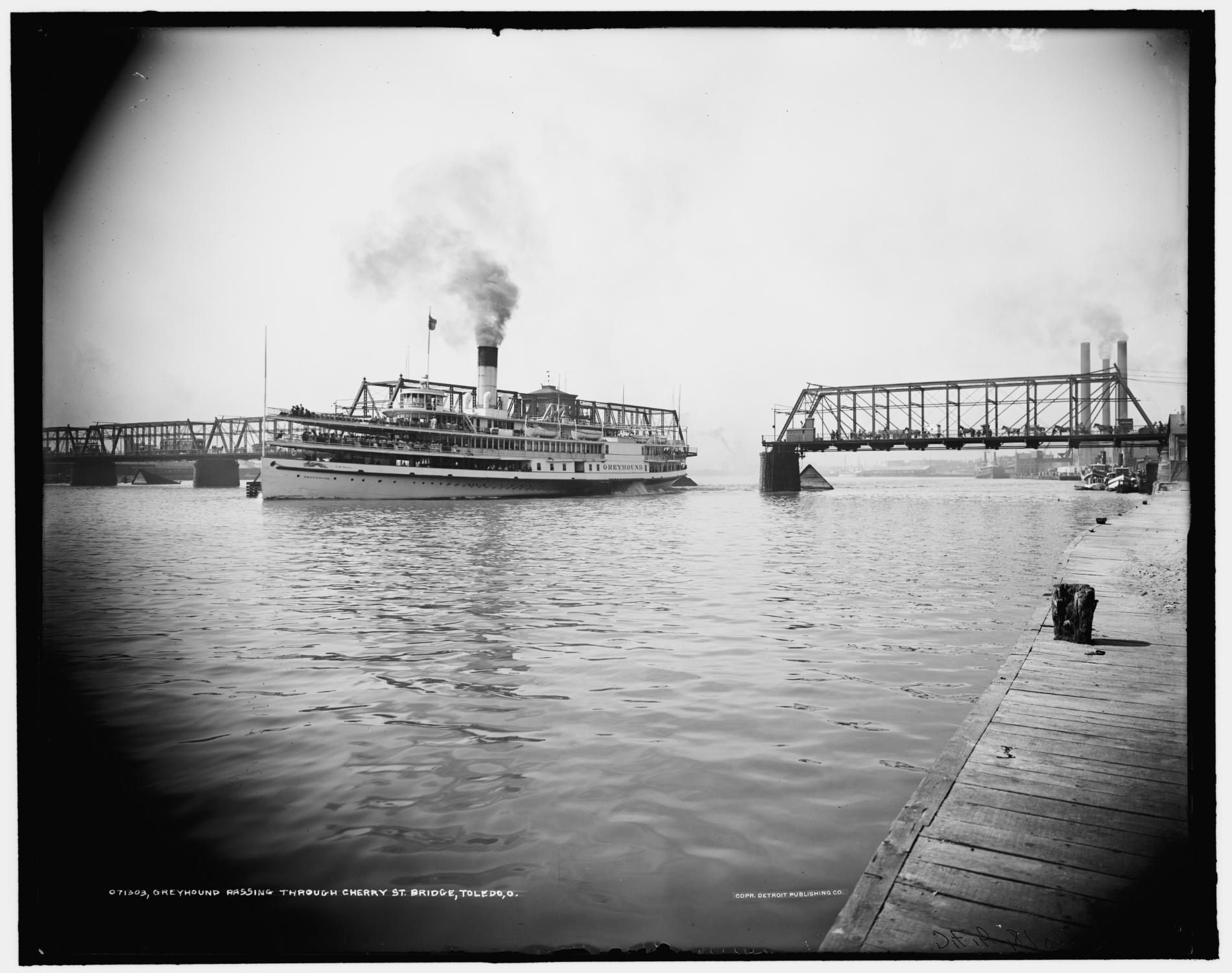
Touring variety shows brought professional musicians and changing popular styles into Toledo for decades before jazz arrived.
Ragtime gave young pianists a rhythmic and technical vocabulary that bridged older popular music and the emerging jazz language.
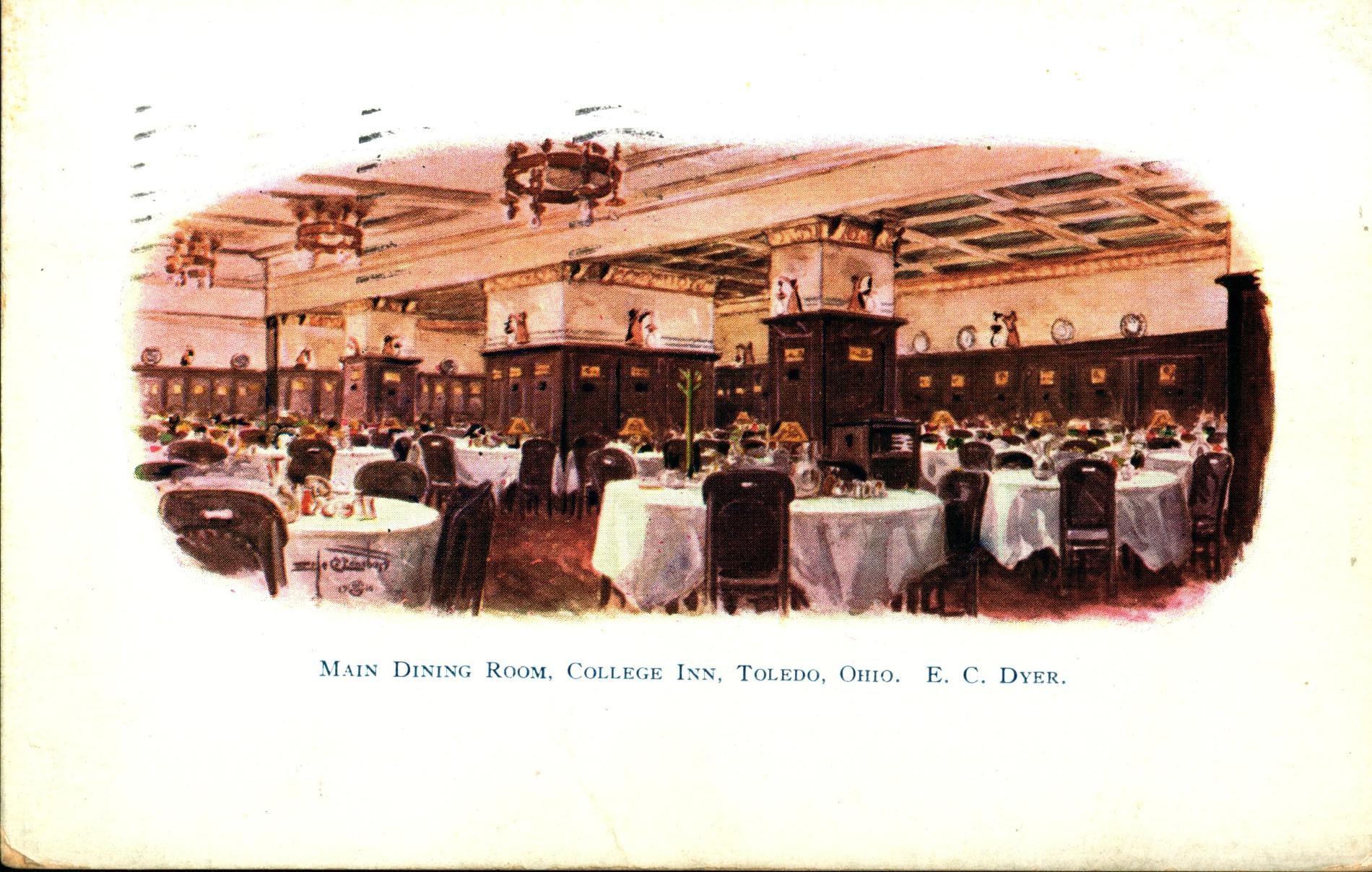
As the city grew, so did demand for bands in ballrooms, hotels, restaurants and clubs. By the 1920s Toledo had the rooms jazz needed to become working music.