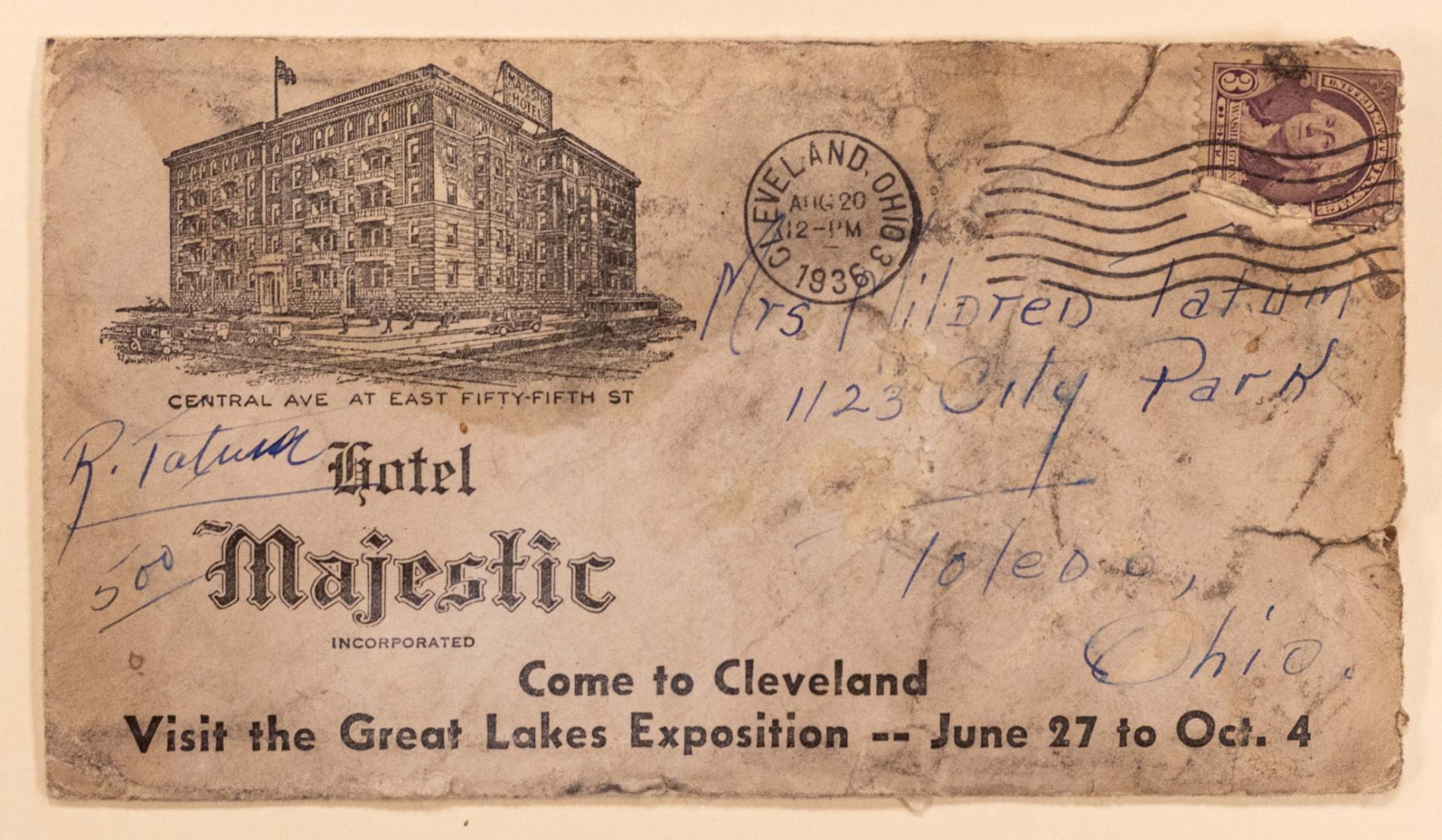
Toledo jazz cannot be separated from the Great Migration. African American families moved north from the Jim Crow South seeking safety, work and opportunity, and their children became musicians, business owners, ministers, community leaders and cultural figures central to the city's story.
Volume 1 follows that movement through specific Toledo families and institutions rather than treating migration as background history.
The Great Migration changed who lived in Toledo, where communities formed and which institutions became possible. The history of Toledo jazz grows directly out of that transformation.

The Tatum family, and the family of minister Alexander Brooks Hendricks, are among the stories that connect migration, family life, church and the next generation of Toledo musicians.
Pharmacist and civic leader Ella P. Stewart became part of Art Tatum's story when she connected him with singer Adelaide Hall — the introduction that took him to New York.
Bandleader J. Frank Terry and many other Black musicians built careers in a city that still imposed racial barriers even as its Black population and cultural life expanded.
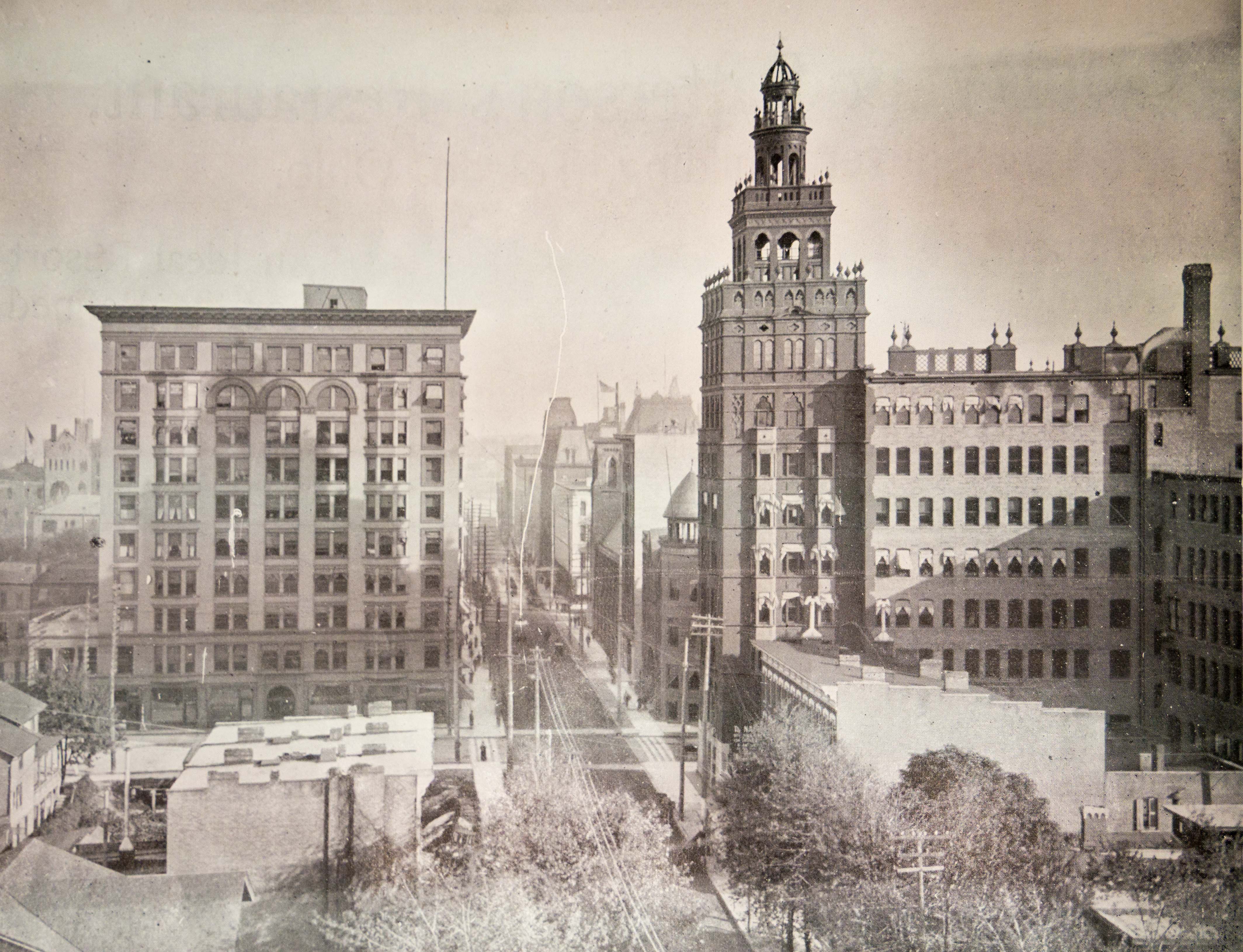
Churches, businesses, clubs and social organizations became part of the infrastructure supporting community life and music — including the Waiters and Bellman's Club, incorporated in 1917.
The Tatum and Hendricks stories show how national jazz history can begin inside local family histories.
Black musicians faced discrimination in employment, press coverage and professional organization. Toledo's Local 286 emerged as a segregated Black musicians' union within that reality.
Period newspapers gave less coverage to Black performers and Black venues. Oral history, family material and archival detective work are necessary to recover what the standard record left out.
The family history behind Art Tatum places his childhood inside a larger migration and community story, not simply a musical biography.
A Toledo pharmacist and civic leader whose relationship with Adelaide Hall became the turning point in Tatum's career.
A bandleader whose Chicago Nightingales became part of Toledo's professional African American music scene from 1928.
Jon Hendricks's father, a minister whose family story connects Toledo church life to the childhood of one of jazz's great vocal innovators.
Toledo's Black musicians' union reflects both the professionalism of the city's Black players and the segregation they were forced to navigate. Drummer Velmer "Fats" Mason helped found it.
A major Black entertainment corridor where social life, business and music overlapped across multiple venues and generations.