
A list of club names can feel abstract. Put those same rooms on a period street map and Toledo's jazz history becomes physical: downtown clusters, neighborhood corridors, outlying roadhouses, and the routes musicians travelled from one job to the next.
Nobody had ever put it on paper. Doug plotted the clubs, theaters, ballrooms and after-hours rooms of Toledo's early jazz years onto a period street map of the city — each location keyed to the pages where its story gets told.
The streets explain relationships that a list cannot.
Seeing the locations together reveals patterns: the density of downtown nightlife, the importance of Indiana Avenue and Dorr Street, the reach of outlying dance halls and roadhouses, and the surprising number of rooms that once supported live music in a city this size.
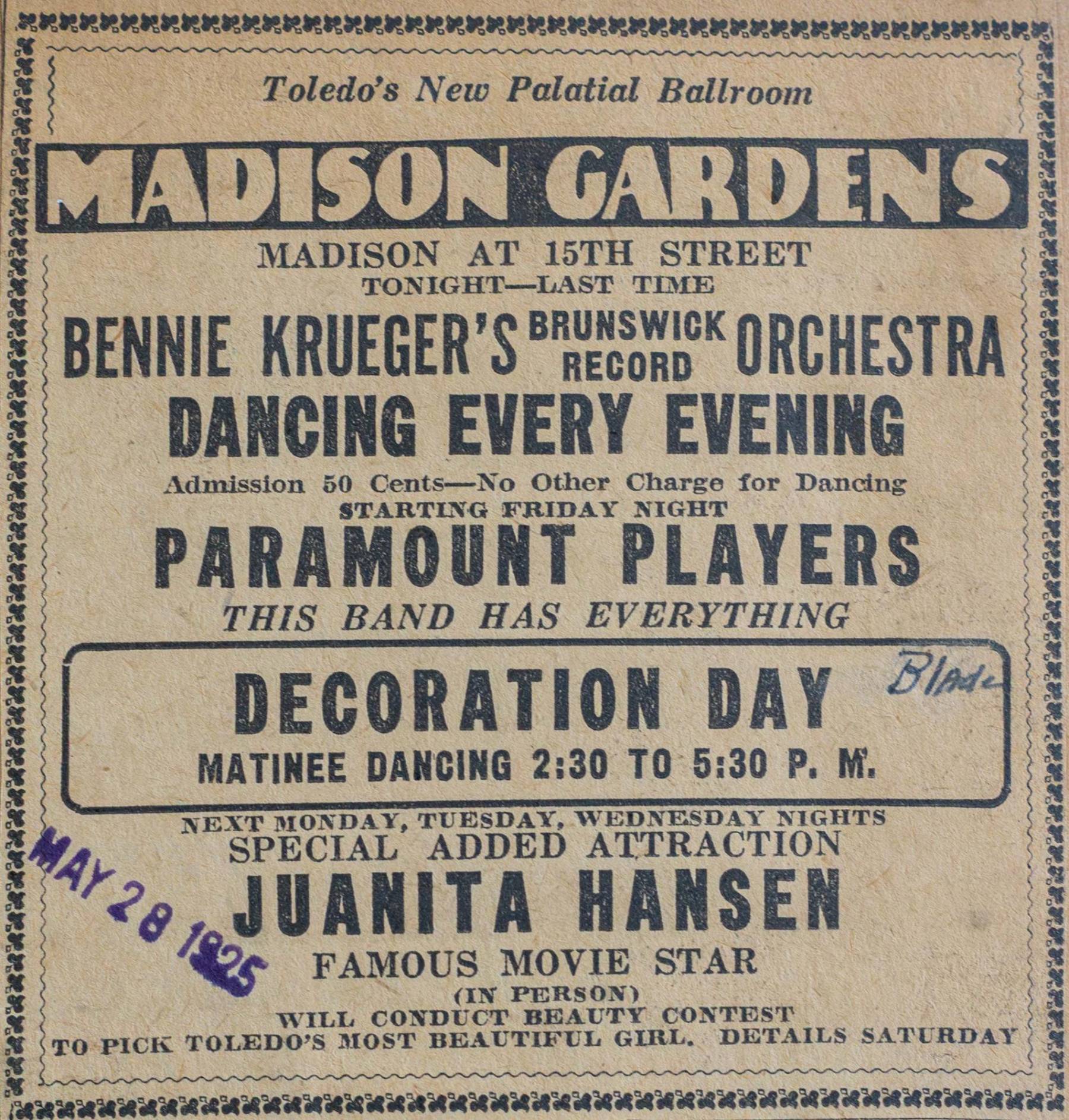
An ad can establish a club name, a date, a performer and sometimes an address. A 1936 courtesy ticket puts Jimmie Lunceford at the Trianon on a specific Tuesday in April.
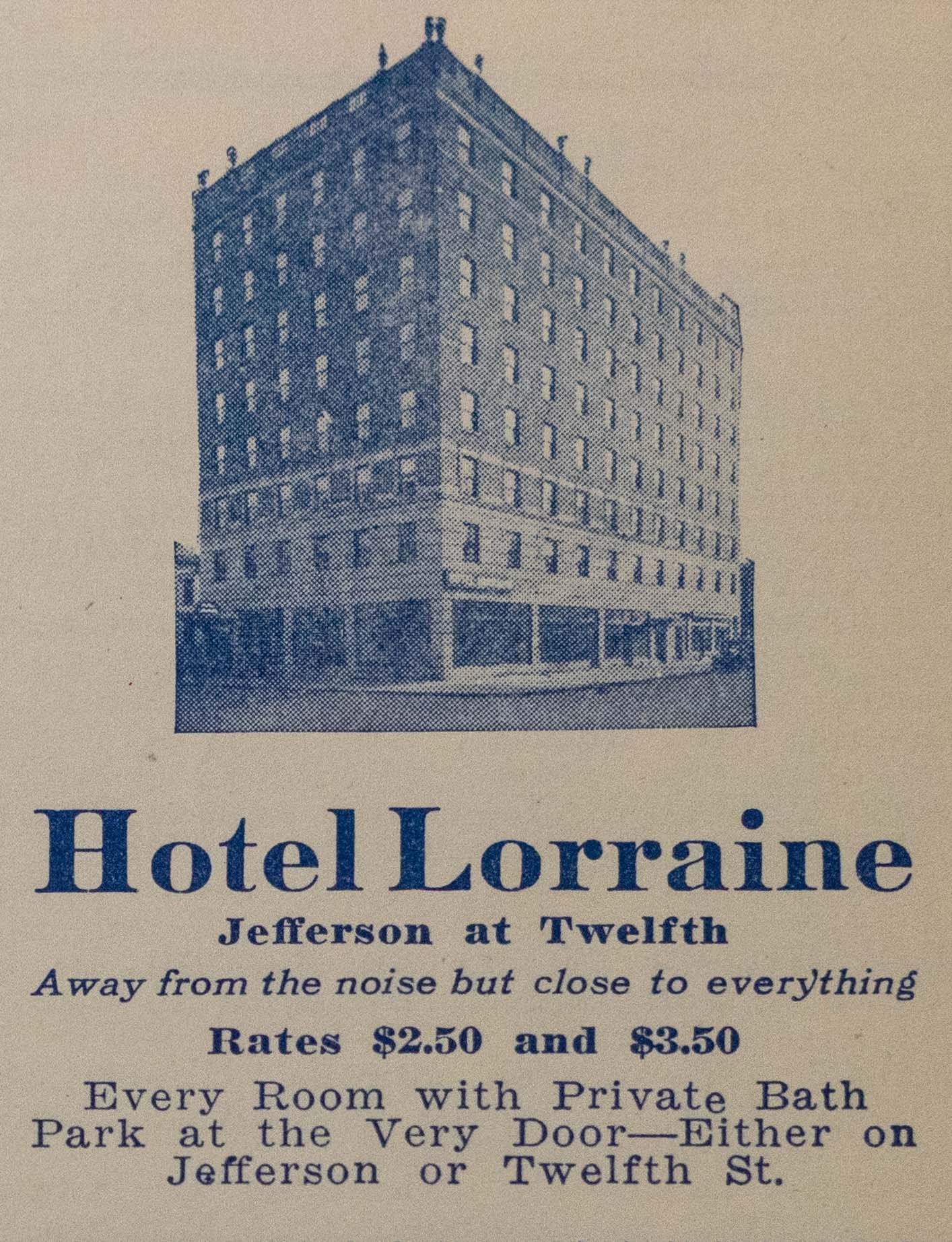
Directories confirm where a business actually operated, and whether an address changed hands or changed names over time.
A storefront, a sign, a neighbouring building or a street pattern can identify a location that text records describe imperfectly.
People who played or listened there explain entrances, room layouts, neighbourhood context and name changes that official records miss entirely.
A 10,000-square-foot hall opened in 1925, later rebuilt as the Trianon. One address, two of the biggest rooms in the city's history.
616 Lafayette St. Home to Herman's Cabaret and later Chicken Charlie's — Prohibition-era nightlife connected to James P. Johnson and a teenage Art Tatum.
418–420 Superior St. A major dance hall at the centre of the city's 1920s music and booking network, where McKinney's Cotton Pickers were discovered.
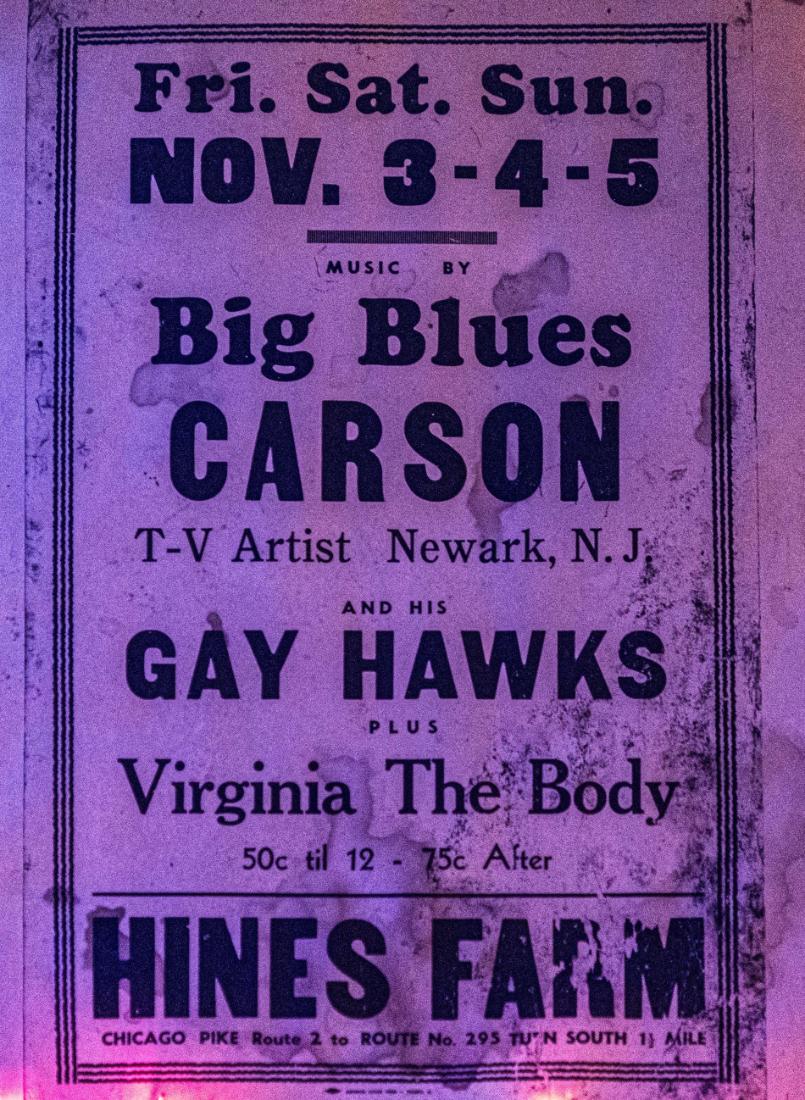
Significant rooms existed well outside the downtown grid. The Chitlin' Circuit ran through Northwest Ohio, and Hines Farm was its Toledo-area stop.
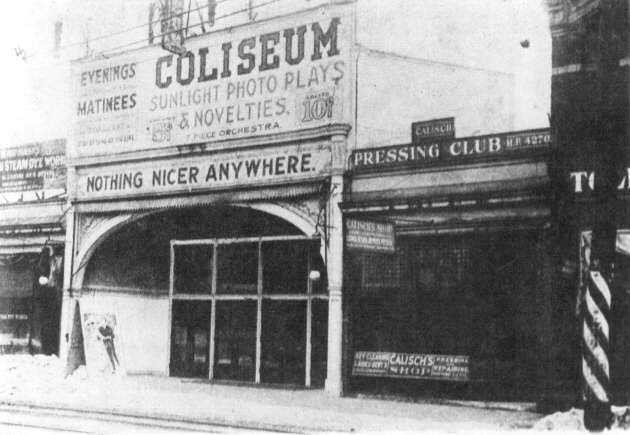
Vaudeville, matinees, photo plays and novelties. "Nothing nicer anywhere." Toledo's performance infrastructure long predates jazz.
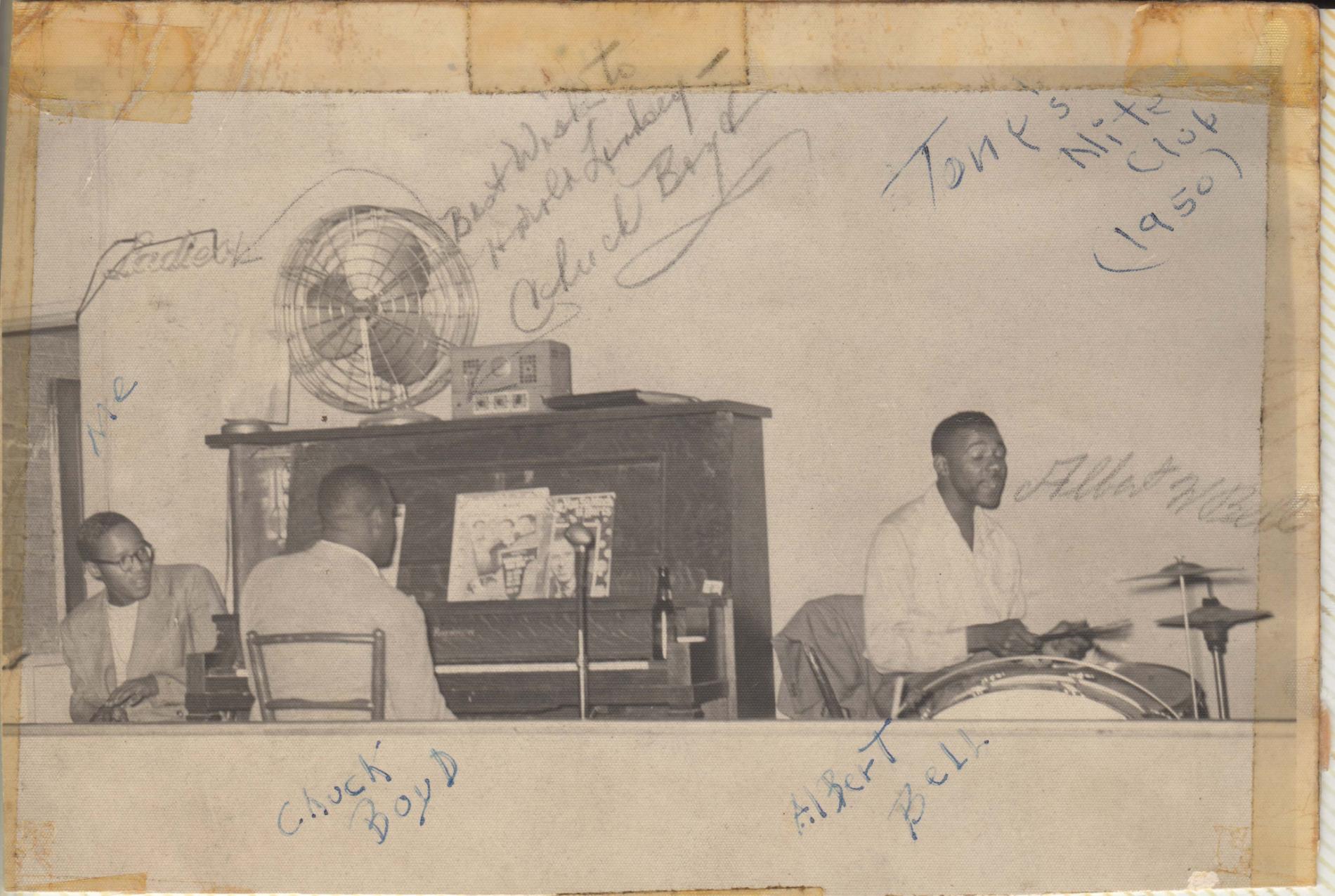
Later clubs and neighbourhood rooms show the centre of gravity shifting as Toledo jazz moved toward mid-century and beyond.
No. The website shows only a cropped detail. The full printed map is a book-order benefit.
It is a separate print insert included with every hardcover ordered through this website. It is not sold on its own, and copies bought through other sellers ship without it.
Clubs, theaters, ballrooms, restaurants, hotels, social spaces, roadhouses and after-hours rooms connected to the early Toledo jazz story.
No. Many locations are gone, renamed or radically altered. The map is a historical reconstruction, not a guide to currently operating businesses.
Keep the map open while reading. When a club or district appears in the text, the map gives that story a physical location in Toledo.
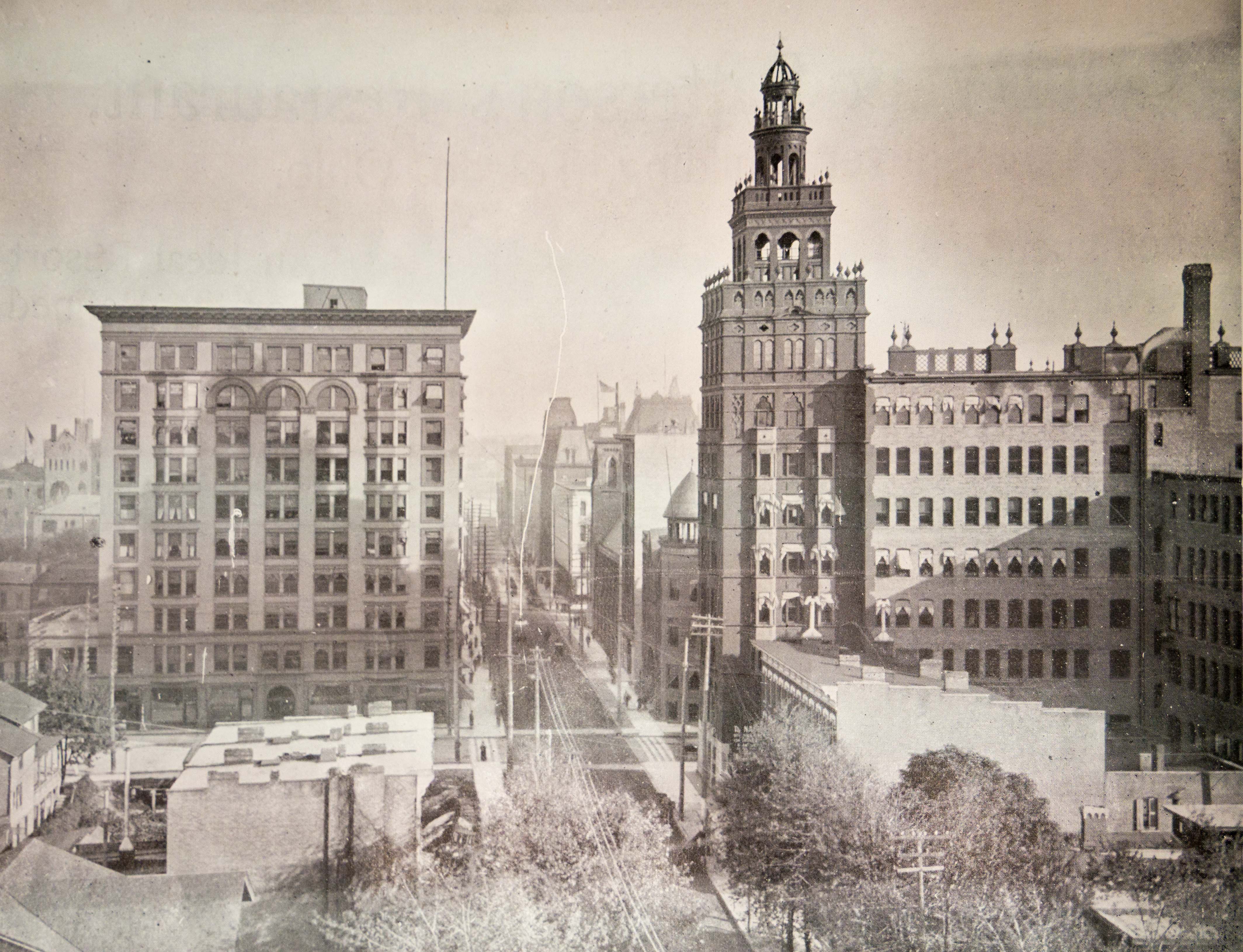
The map is included with every hardcover ordered here.