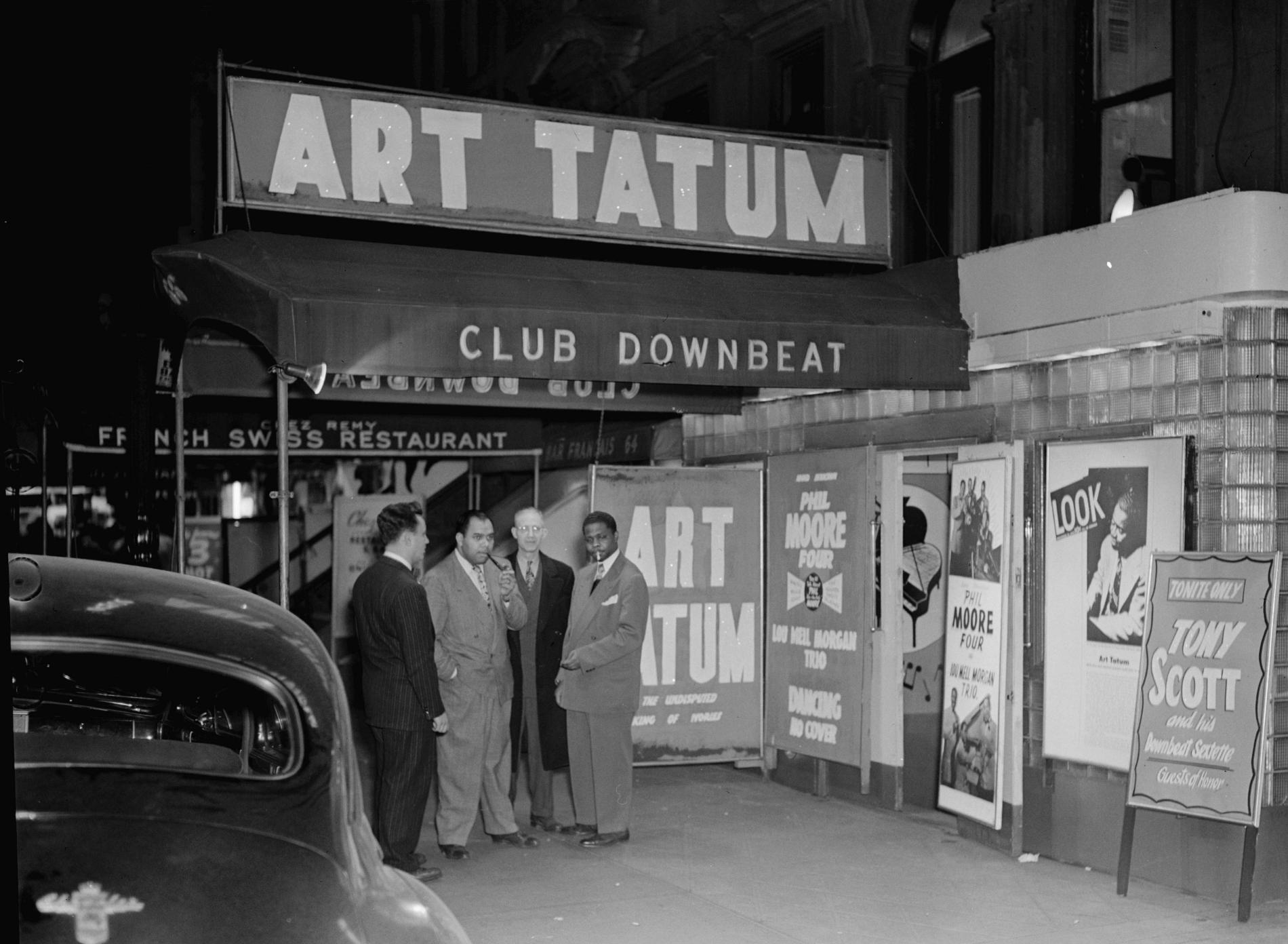
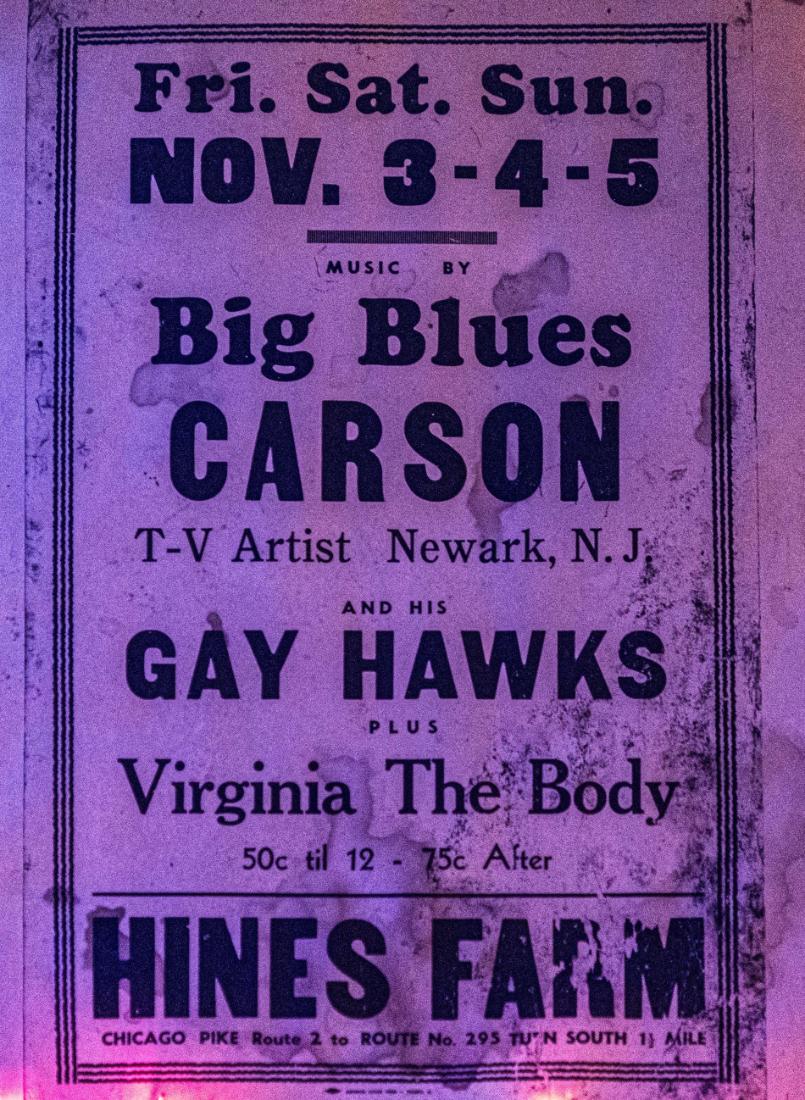
Jazz history is usually told through a short list of famous cities. Toledo deserves a closer look. Long before the rest of the country knew Art Tatum's name, this city had the transportation, industry, neighborhoods, theaters, clubs, dance halls, radio stations and working musicians needed to sustain a real jazz culture.
Toledo's Jazz Legacy follows that culture from its roots in vaudeville and ragtime through the Jazz Age, Prohibition, swing, bebop and the musicians who carried the story toward mid-century.
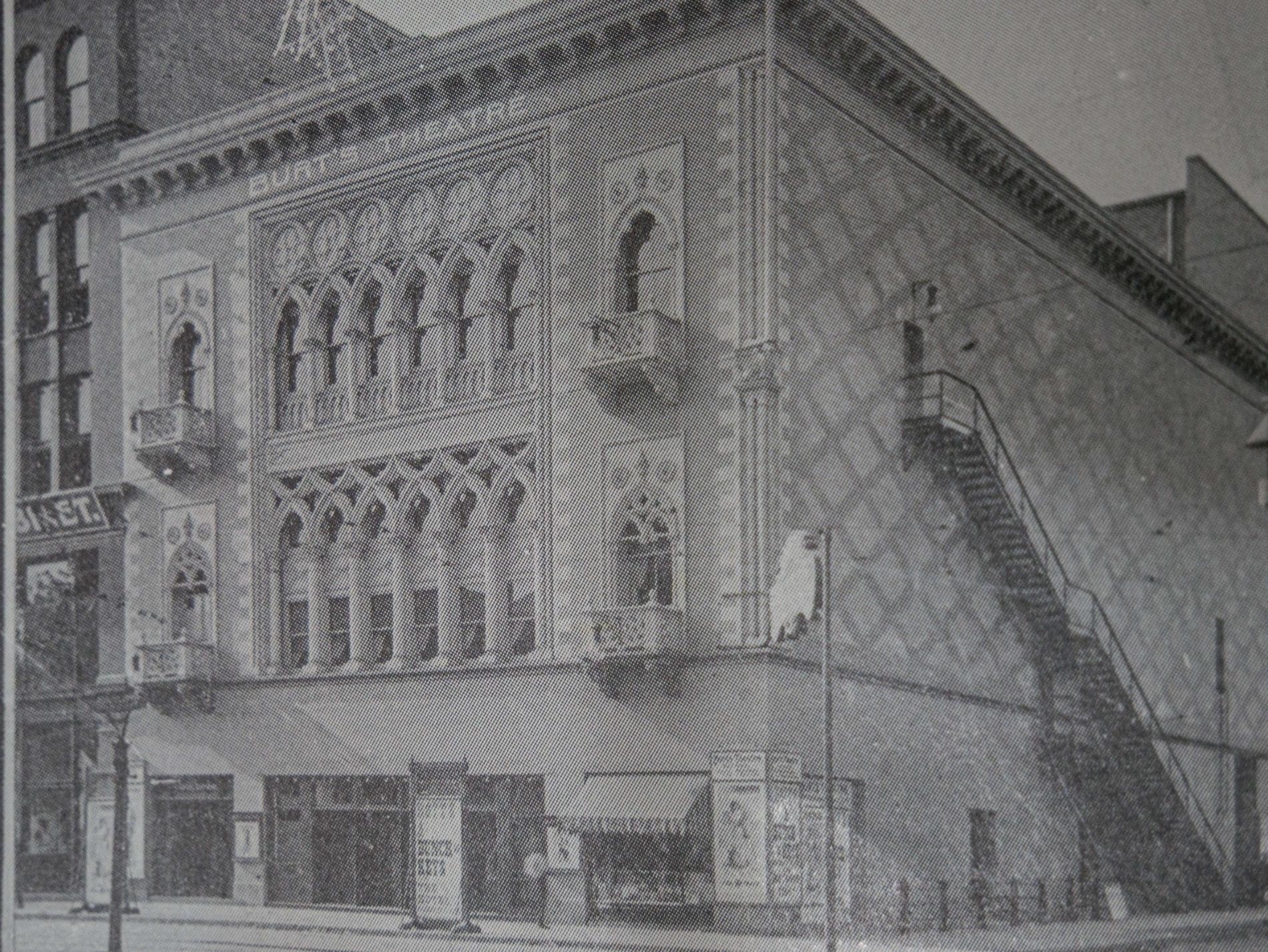
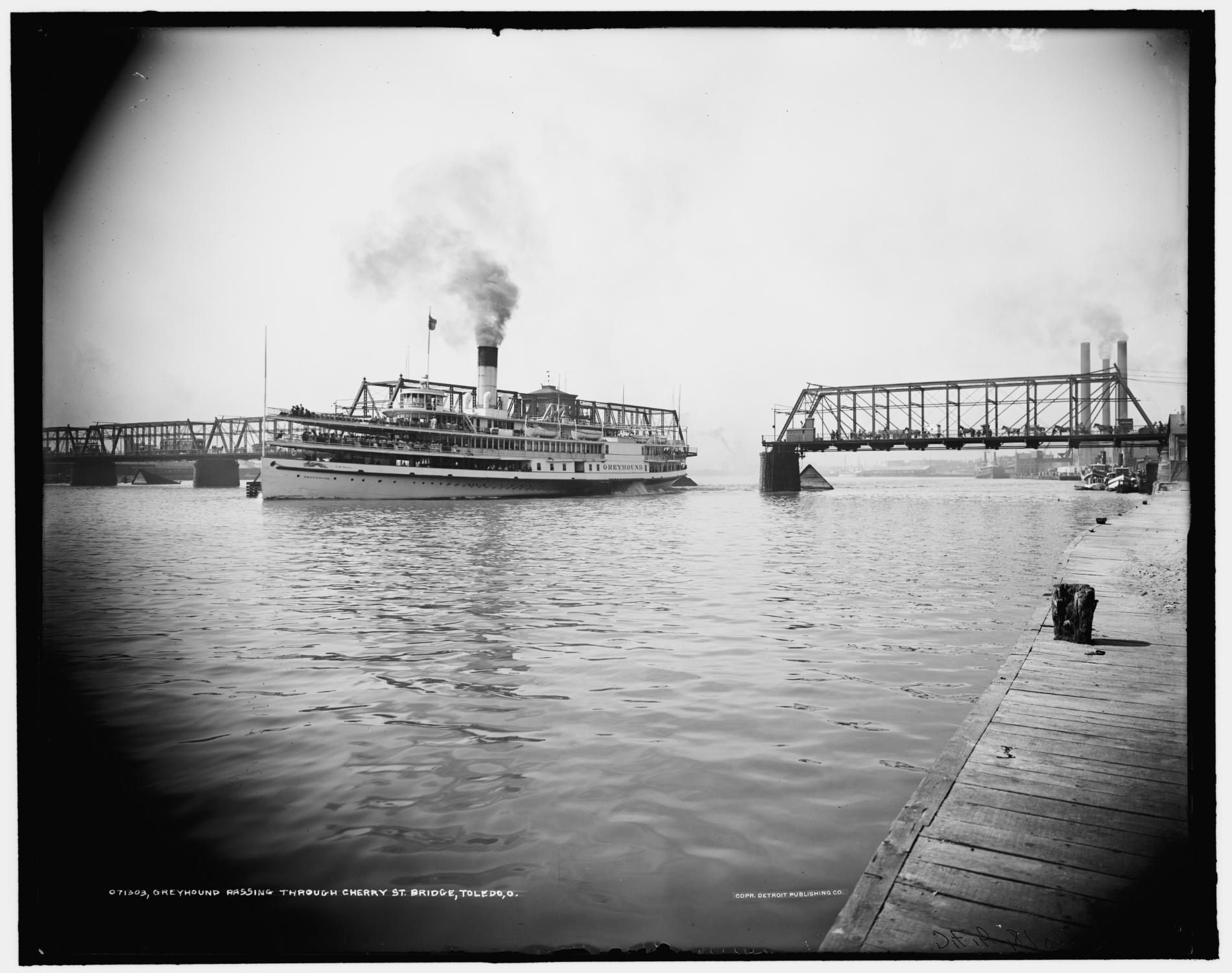
Rail lines, shipping, interurban cars and industrial growth connected Toledo to Detroit, Chicago and the wider Midwest. Touring performers could reach the city, local musicians could hear new styles, and a growing population supported live entertainment.
The Great Migration brought African American families north from the Jim Crow South. Their children and communities became central to Toledo's musical life — from the Tatum and Hendricks families to bandleaders, clubs and the city's Black musicians' union.
Ballrooms, theaters, hotels, restaurants, social clubs, speakeasies and after-hours rooms created steady work. Some were elegant. Some were rough. Together they gave local players places to learn, compete and share bandstands with musicians passing through.
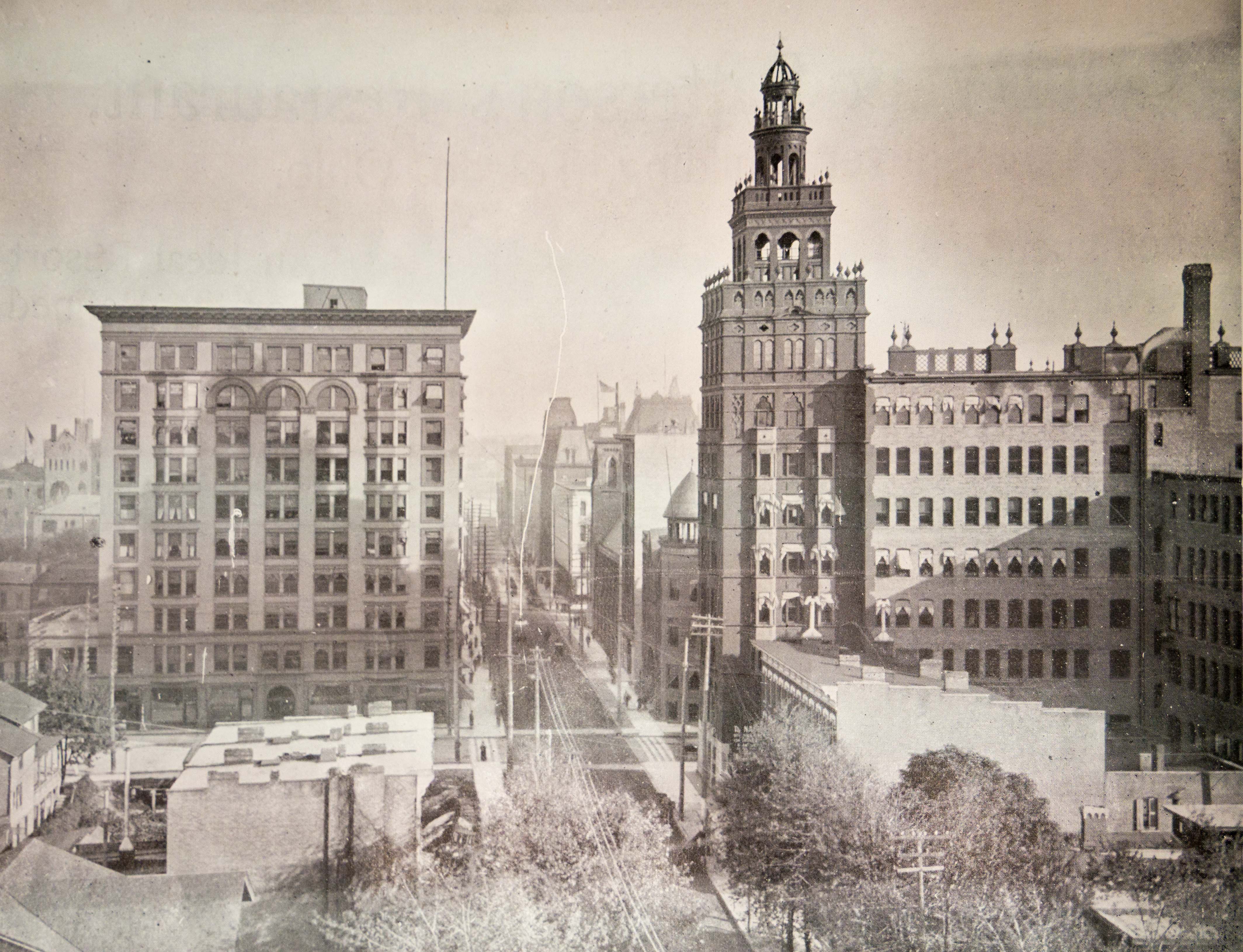
Vaudeville arrives. Dunlap's Union Hall becomes an early Toledo venue for touring musical entertainment, establishing a live-performance culture decades before jazz has a name.
Ragtime reaches Toledo. Scott Joplin visits the city, and ragtime enters the musical world that young Toledo players would absorb.
Jazz is documented here. Early groups including Karl Karp's Toledo Club Six Syncopaters appear as the city enters the Jazz Age.
The rooms multiply. Prohibition, dance culture and a wide-open nightlife economy fuel clubs and ballrooms. Green Mill Gardens, Madison Gardens, The Villa and La Tabernilla become part of the city's musical geography.
Tatum leaves. After years of clubs, rent parties and WSPD radio, the young pianist departs for New York with singer Adelaide Hall.
Swing takes over. The Trianon Ballroom and a thriving big-band culture give Toledo dancers and musicians a new center of gravity.
Bebop arrives. Arv Garrison, Vivien Garry, El Myers and Oscar "Bebop" Caldwell connect Toledo to the changing national language of jazz.
The next generation. Indiana Avenue, Ka-Sees, the M & L Rendezvous and musicians including Jon Hendricks, Stanley Cowell and Clifford Murphy point toward the story continued in Volume 2.
Musicians and audiences moved through Toledo because the city sat inside a dense regional network of rail, road, river and interurban travel. By 1912 the electric interurban system alone carried over 632 million riders a year.
Black families arriving from the South reshaped neighborhoods, churches, businesses, social institutions and music. That history is essential to understanding the people who made Toledo jazz.
Speakeasies, gambling rooms and vice-connected clubs created an active nighttime economy. The story is complicated, but those rooms provided jobs and put local players next to touring professionals.
Black performers and neighborhood venues were under-covered in the press. Reconstructing the scene takes advertisements, directories, interviews, family papers and memories as well as published histories.
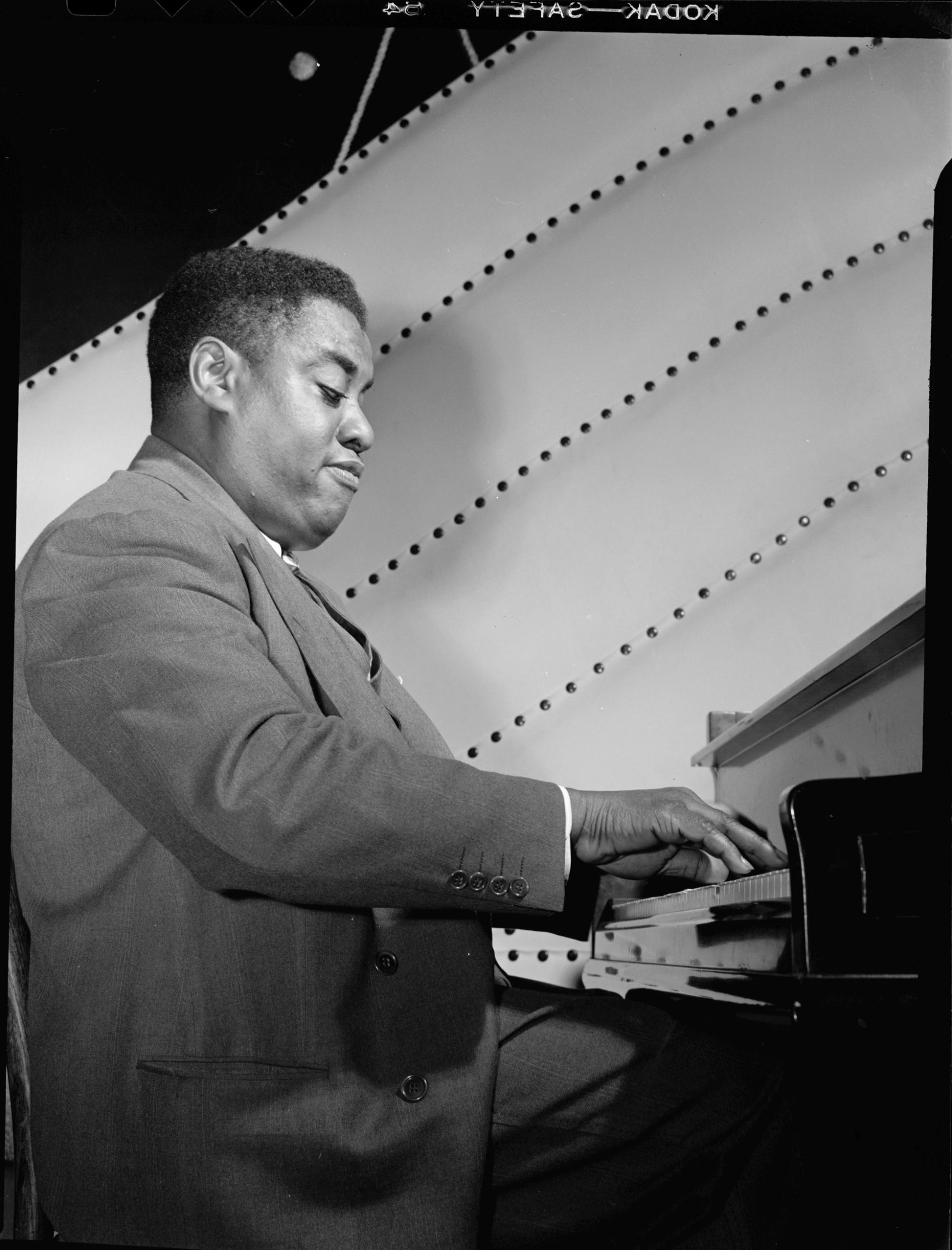
Born in Toledo in 1909, Tatum developed his astonishing piano language inside the city's schools, radio studios, rent parties and clubs before leaving for New York in 1932. His Toledo years are the centerpiece of Volume 1.
Art Tatum in Toledo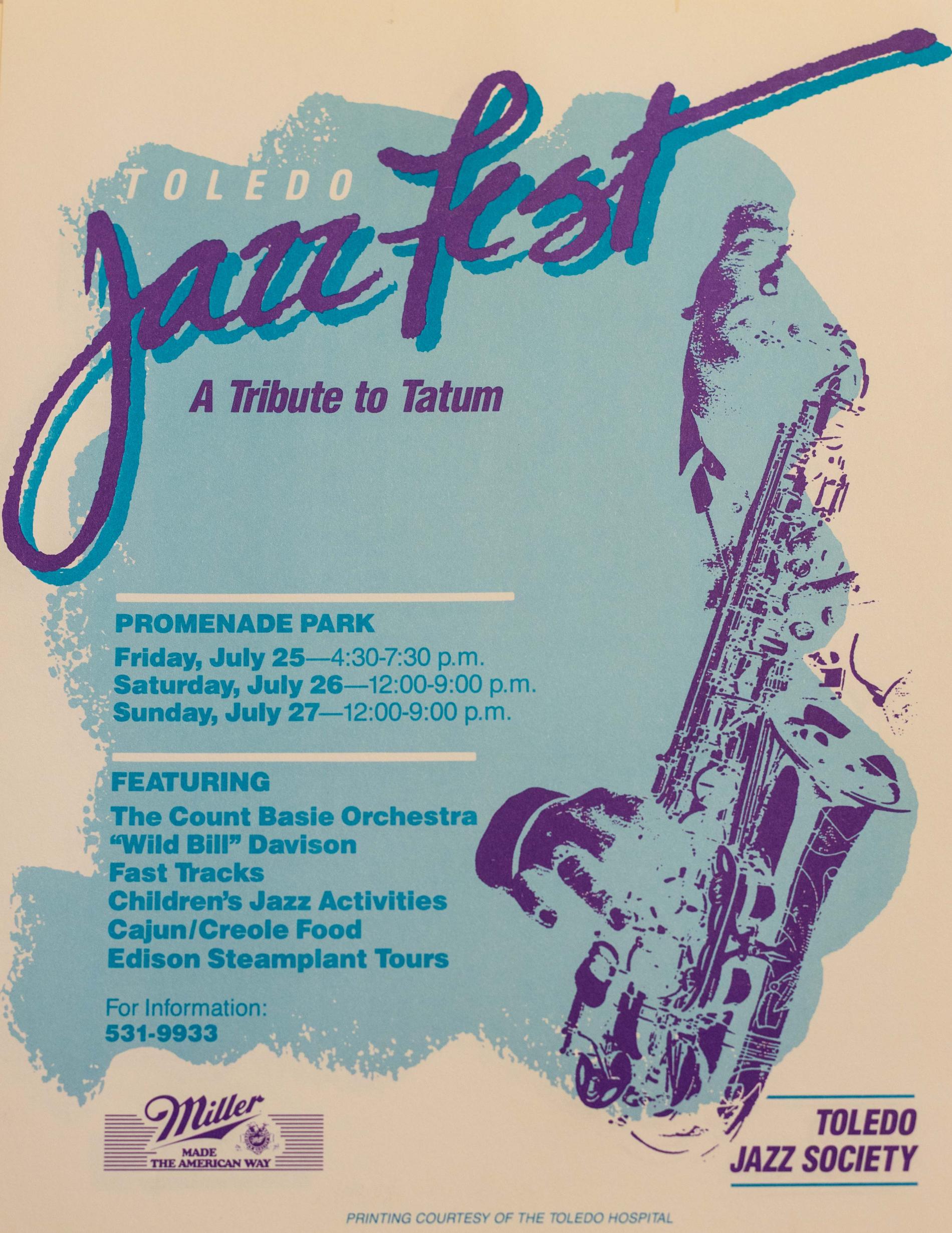
Toledo's great swing-era dance palace hosted Duke Ellington, Benny Goodman, Tommy Dorsey with a young Frank Sinatra, Glenn Miller and countless local bands — a room large enough for the scale of big-band culture.
Explore the venues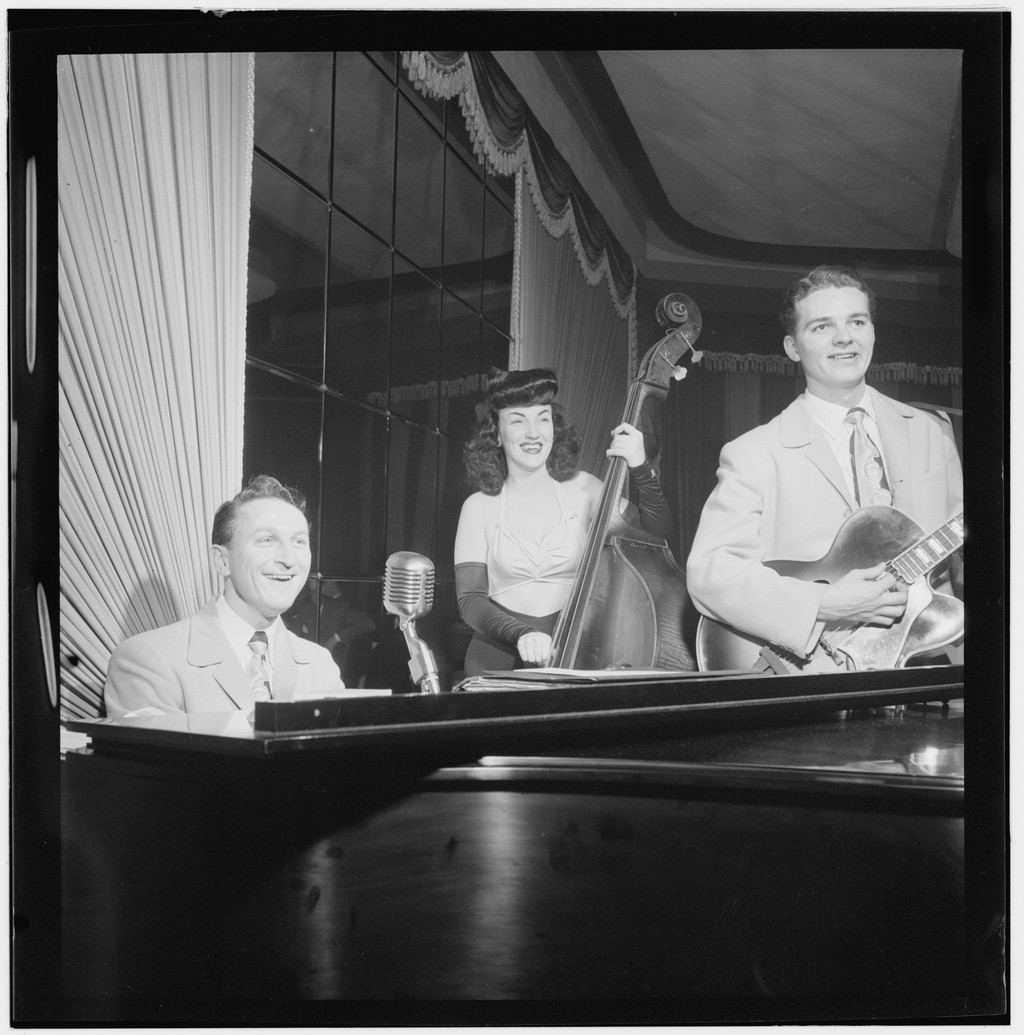
A self-taught Toledo guitar prodigy and the bassist he taught to play carried a Toledo story into the national bebop era, recording alongside Charlie Parker and Miles Davis in 1946.
Meet the musicians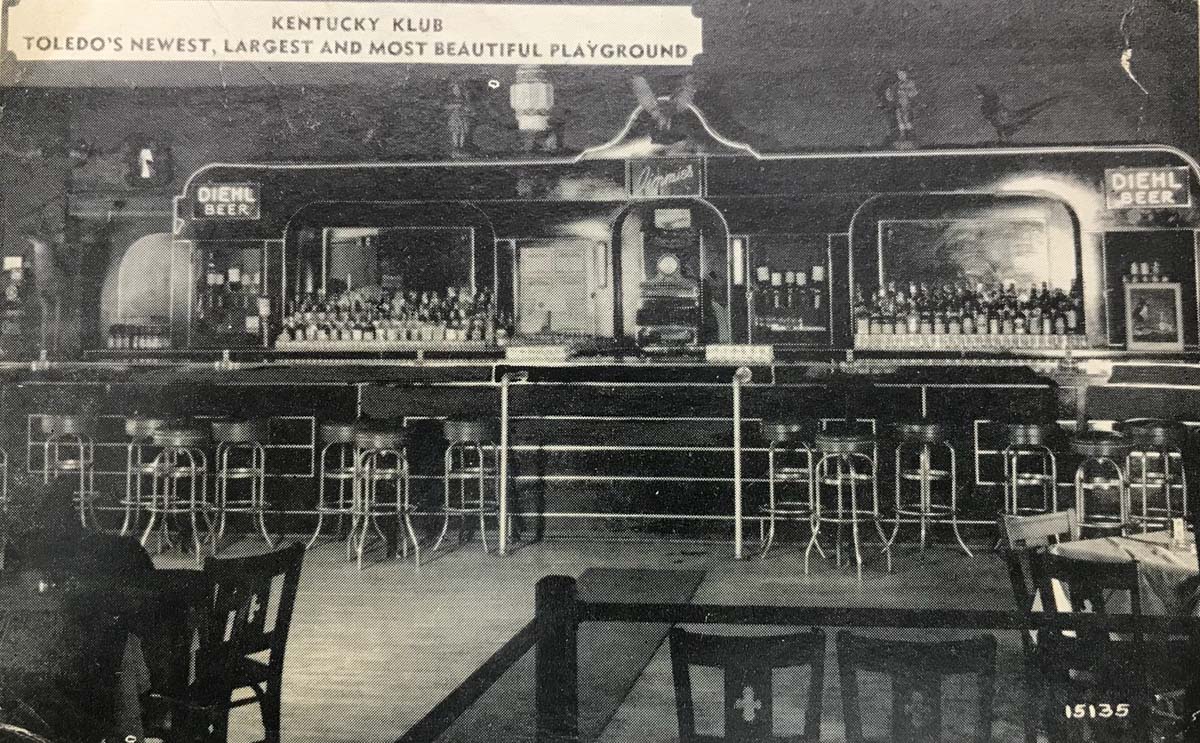
Toledo's premier African American–run jazz club and Art Tatum's home base. Jon Hendricks performed there as a boy; Arv Garrison, Stanley Cowell, Claude Black and Clifford Murphy all passed through its orbit.
Explore the venues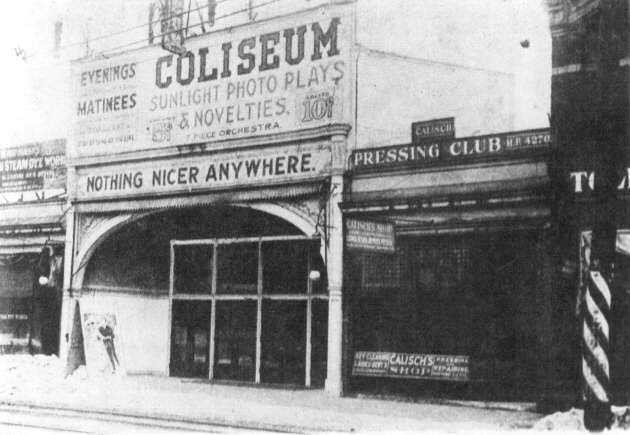
Toledo's Jazz Legacy: The Early Years, Vol. 1 brings the people, streets, clubs, family material and archival discoveries together into one connected history.